Overview
Pain in period is normal, but “unbearable”? If you are experiencing severe menstrual pain, then it's time to take action because this pain can be dysmenorrhea. This article will help you understand what exactly it is, its causes, types, symptoms, diagnosis, and available treatment options.
Table of Contents
Dysmenorrhoea is defined as painful period cramps, which can range from mild to debilitating pain intensity. Cramping during your period is caused by contractions of the uterus to help shed the lining due to hormones. But in dysmenorrhoea, the levels of this hormone are quite high, causing pain of higher intensity.
Medically, dysmenorrhoea is classified in the International Classification of Diseases, tenth revision (ICD-10) in two codes including:
- N94.4 Primary dysmenorrhoea
- N94.5 Secondary dysmenorrhoea
Although dysmenorrhoea does not cause physical harm, it can impact a person's overall productivity, mood, and quality of life. Therefore, understanding everything about it is important.
How Common Is Dysmenorrhoea?
Dysmenorrhoea is one of the most common menstrual disorders among women of reproductive age. Studies estimate that 50-90% of menstruating women experience period pain at some point, while around 10 20% have severe symptoms that can interfere with school, work, or daily activities.
Although common, persistent or worsening menstrual pain should not be ignored, as it may indicate an underlying condition such as endometriosis or uterine fibroids.
Causes of Dysmenorrhea
Dysmenorrhea can arise from a series of biological and medical causes, depending on its type. Each cause is unique and helps choose the right treatment. These causes may include:
Hormonal Imbalances Causing Primary Dysmenorrhea:
- Primary dysmenorrhoea is mainly caused by high levels of prostaglandins, hormone-like chemicals that trigger strong uterine contractions.
- Cramping is caused by a lack of blood flow to a specific area, which is what happens during dysmenorrhea.
- The strong contractions reduce blood flow to the uterus, leading to pain and cramping.
Underlying Medical Conditions Causing Secondary Dysmenorrhea:
Secondary dysmenorrhea is usually due to underlying conditions originating in the reproductive organs and/or pelvis, such as:
- Endometriosis
- Adenomyosis
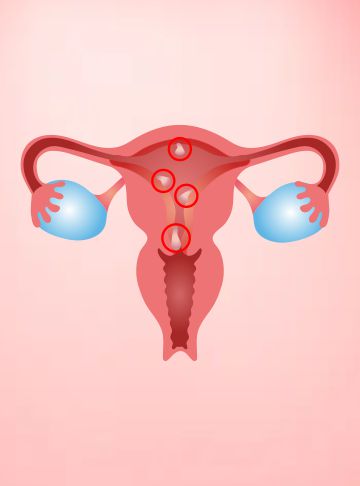
- Uterine Fibroids
- Pelvic inflammatory disease (PID)
- Ovarian cysts
- Cervical stenosis
Secondary dysmenorrhea can worsen and be more prolonged than primary dysmenorrhea from an underlying condition. Therefore, addressing the underlying condition can actually treat dysmenorrhea itself.
Congestive Dysmenorrhea:
Dysmenorrhea can also be attributed to pelvic heaviness caused by water retention, hormonal fluctuations, and pelvic venous congestion prior to menstruation. However, this cause is typically temporary as, again, congestion decreases.
Types of Dysmenorrhea
We mentioned the types of dysmenorrhea in earlier sections. Now, let’s explore and understand what these types actually are:
- Primary Dysmenorrhea :
When the menstrual pain is caused without any underlying medical condition or pathology, it is termed primary dysmenorrhea. That is, it is connected with the uneven release of prostaglandins. This is a common type and begins with the first few menstrual cycles and eventually improves if no pelvic condition is observed.
- Secondary Dysmenorrhea :
Secondary Dysmenorrhea refers to period cramps linked with different types of underlying reproductive or pelvic conditions. This pain often worsens with time and can be more painful and long-lasting than typical cramps.
Symptoms of Dysmenorrhea
Dysmenorrhoea presents itself with a range of visible and, of course, some uncomfortable symptoms, with some common ones as:
- Cramping in the lower abdomen
- Sharp, throbbing, or squeezing pelvic pain
- Pain radiating to the lower back, hips, or thighs
- Pelvic pressure or heaviness
Apart from these common symptoms, many signs are also associated with dysmenorrhea, which are not similar for everyone. These symptoms may include:
- Nausea
- Fatigue
- Headache
- Bloating
- Diarrhoea
- Dizziness
- Breast tenderness
Diagnosis of Dysmenorrhea
Diagnosis of dysmenorrhea is done with a mix of doctors’ expertise and the accuracy of medical instruments. The diagnosis generally begins with evaluating the type of dysmenorrhea, and here’s how your doctor does that by analysing:
- The timing and duration of pain
- Intensity of pain over time
- Patient’s response to medications
- Presence of heavy bleeding or pain during sex.
- Family and personal history of reproductive conditions.
If the type of dysmenorrhea is found to be secondary, then further evaluation is recommended, with accurate tests and imaging, including:
- Pelvic Ultrasound to confirm fibroids, cysts, and adenomyosis
- MRI to get detailed images of pelvic tissues.
- Blood Tests to rule out the possibility of a hormonal imbalance.
- Laparoscopy to diagnose endometriosis.
Dysmenorrhea Treatment Options
Dysmenorrhea treatment options are many, but the right one depends on the type and severity of symptoms. Three approaches are generally used to tackle this condition, which are:
- Medications: Certain medicines can target prostaglandin production or help manage hormonal balance, ultimately helping treat dysmenorrhea. These medications may include
a. Nonsteroidal Anti-Inflammatory Drugs (NSAIDs),
b. Hormonal pills or hormonal treatment,
c. Antispasmodics to relax the uterine muscles. - Lifestyle Modifications: Some simple lifestyle changes can change the trajectory of your dysmenorrhea-related pain, such as:
a. Regular exercise or low-impact exercise
b. Yoga and stretching
c. Heat therapy in the lower abdomen
d. Balanced diet
e. Reduce caffeine or sugar intake
f. Stay hydrated and get good sleep
g. Meditation - Advanced Treatments: If Dysmenorrhea reaches a level where the above two methods don’t work, which generally happens in secondary dysmenorrhea, then you may need an advanced option, such as:
a. Laparoscopic surgery in case of endometriosis
b. Fibroid removal
c. Adenomyosis management via hormonal therapy or minimally invasive procedures.
d. Managing ovarian cysts.
When Should You Consult a Doctor?
Some menstrual cramps are normal, but if the pain is severe, worsening or affecting daily life, then you should seek medical advice. If heavy menstrual bleeding, irregular cycles, pain with intercourse, fever or pelvic pain outside of menstruation are associated with painful periods, it is also important to see a doctor. These symptoms may indicate an underlying condition, such as endometriosis, uterine fibroids, or pelvic inflammatory disease, that requires proper evaluation and treatment.
Conclusion
Finally, it can be concluded that although dysmenorrhea is very common, it can impact your daily life. Don’t compromise with period pain and understand the type of cramps to treat and transform your monthly experience. With timely intervention and in most cases, a few lifestyle changes, you can get your comfort, balance, and command over your health back.
Frequently Asked Questions
1. Does dysmenorrhoea affect fertility?
Primary dysmenorrhoea usually does not affect fertility. If secondary dysmenorrhoea from conditions such as endometriosis or fibroids is not managed, it can impact fertility.
2. When does dysmenorrhoea usually begin?
The onset of primary dysmenorrhoea is usually within one or two years of the start of menstruation, generally in adolescence when regular ovulation is established.
3. Can lifestyle changes help to ease period pain?
Yeah. Regular exercise, adequate sleep, stress management, staying hydrated, and a healthy diet may help some women reduce menstrual cramps.
4. Does period pain get worse over time?
No. Increasing pain, change in pattern or new onset in older age should be investigated to exclude a treatable cause.
5. When do I need to see a doctor for period pain?
If the menstrual pain interferes with your daily life, is progressive in nature, or does not get better with over-the-counter medications, you should seek medical attention.
6. Are there any home remedies for dysmenorrhea?
Yes, heat, light exercise, hydration, herbal tea, or relaxation exercises can help alleviate dysmenorrhea symptoms.
7. Are there safe medications that relieve dysmenorrhea?
NSAIDs are commonly suggested as a treatment option for dysmenorrhea, but you should be evaluated by a medical physician to discuss what is appropriate for your specific needs or diagnosis.