What is Endometriosis?
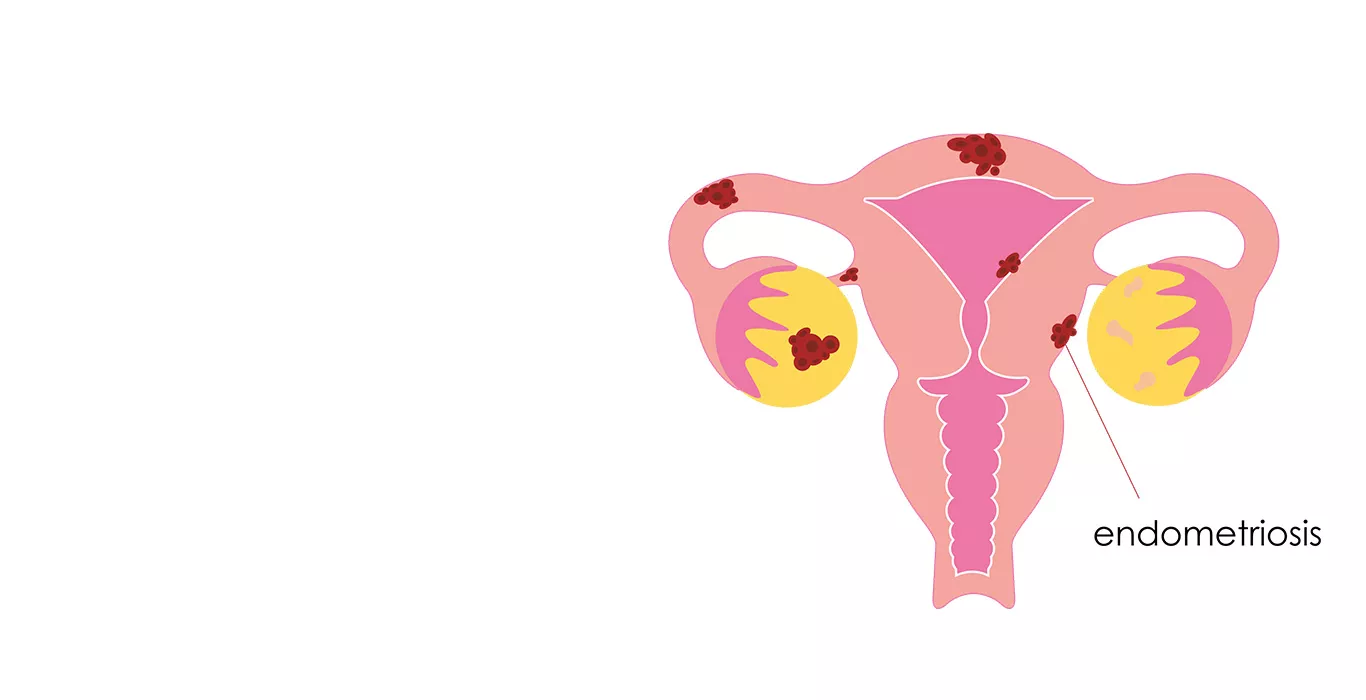
Endometriosis is a chronic and often painful condition medical condition that affects millions of women worldwide. In the condition, tissue similar to the lining of the uterus (the endometrium) grows outside the uterus. This tissue, called endometrial implants, can grow on various pelvic organs, such as the ovaries, fallopian tubes, and the lining of the pelvis. In rare cases, it may even spread beyond the pelvic region. Despite its prevalence, many individuals are unaware of what it is, how it develops, or how to manage it.
What is Endometriosis?
Endometriosis is a condition that happens when the same cells as the ones found in the womb (uterus) are located elsewhere in the body. These cells can develop and evolve in response to hormonal conditions during the menstrual cycle, which may lead to inflammation, pain, and scar tissue.
This condition primarily involves the pelvic lining (peritoneum) and can affect the ovaries and other pelvic organs, such as the bowel or bladder. Endometriosis may also occur outside the pelvis, rarely in the chest. The disorder is mild to severe and may have a profound impact on day-to-day life.
Types of Endometriosis
Endometriosis can be classified into three types, and one may experience more than one type. The different types refer to the location, amount and depth of endometrial lesions.
- Superficial Peritoneal Endometriosis - This is the most prevalent type of endometriosis. An individual with this disease may experience lesions on the peritoneum, the thin film that lines the pelvic cavity.
- Ovarian Endometrioma - These are also referred to as chocolate cysts because they are dark and fluid-filled cysts. They are not receptive to treatments and can damage normal tissues.
- Deep Infiltrating Endometriosis - It occurs in places like the bladder, bowel and septum of the recto-vagina (tissue between the vagina and the rectum). Endometrial lesions of endometriosis are deeper as compared to peritoneal (superficial) endometriosis.
These types may vary in severity and symptoms, and a person can have more than one type.
Causes of Endometriosis
There are several theories on the aetiology of endometriosis, but none of the proven causes can sufficiently explain all the facets of the disease. Some of the hypothesised theories and beliefs of endometriosis are given below:
- Retrograde Menstruation: One of the possibilities is retrograde menstruation that may lead to endometriosis. Retrograde menstruation occurs when endometrial tissue within the uterus, which is typically shed during menstruation, instead backflows into the body through the naturally open fallopian tubes, where it can implant on organs.
- Genetics: Endometriosis is probably genetic. Female relatives with a close relative with endometriosis increase the chances that girls will develop it three to seven times.
- Immune dysfunction: Another issue is that the immune system fails to identify and attack endometriosis tissue.
These factors may interact, making each individual’s experience unique.
Symptoms of Endometriosis
The endometriosis symptoms vary depending on the individual; they can have crippling and debilitating symptoms or even zero symptoms.
Common symptoms of endometriosis include:
- Pelvic pain: This pain can be felt in the lower abdomen, pelvis, or lower back and can range from mild to severe.
- Painful periods: The pain and cramping of the pelvis can begin a few days before a menstrual period and extend over several days into the menstrual period. You can also experience stomach and lower back pains. Painful periods are also referred to as dysmenorrhea.
- Pain during intercourse: Endometriosis is associated with pain during or after sex.
- Infertility: In other individuals, endometriosis can be initially discovered during the infertility treatment testing.
- Bloating/fatigue: Women with endometriosis can have more abdominal pain, constipation, bloating, and flatulence, particularly during their menstrual cycle.
The intensity of the symptoms is not always the same as the intensity of Endometriosis. One should also be aware that other health conditions can manifest with the symptoms of endometriosis. We suggest that you talk to a doctor when you feel that your symptoms are getting in the way of your day-to-day life.
Diagnosis of Endometriosis
Endometriosis Diagnosis may be difficult, with some studies indicating a latent period of 4-10 years, with the disease leading to disease progression and decreased life quality. Thus, endometriosis must be diagnosed and managed early to minimise painful symptoms, enhance quality of life, and manage fertility. The routine diagnostic tests are:
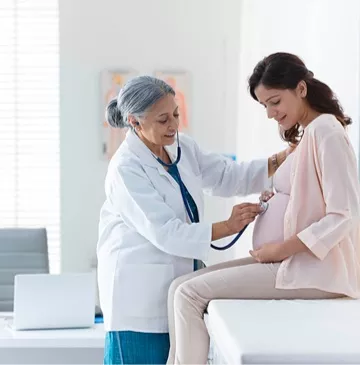
- Pelvic exam: The pelvic examination for endometriosis can also be performed to feel the large cysts or scars on the uterine background.
- Endometriosis ultrasound: Gynaecologists can order an ultrasound (endometriosis USG) to image the reproductive organs and detect ovarian cysts caused by endometriosis.
- Magnetic Resonance Imaging (MRI): Pelvic MRI is another conventional imaging technique that can assess the structure and lining of the body's interior.
- Laparoscopy: This is a simple surgical procedure (small incisions) used to examine the pelvic cavity and visualise endometriosis tissue.
Endometriosis Treatment
Women can enjoy better long-term outcomes when they receive an early referral and assistance from a specialist medical team. Although no definite cure to endometriosis has been discovered yet, the good news here is that there are currently highly effective ways to deal with the symptoms and to slow down the disease, as well as to increase the chances of pregnancy.
- Pain Medicine: Management is usually initiated with analgesics such as non-steroidal anti-inflammatory drugs (NSAIDs), such as ibuprofen. If they are not effective enough, personal actions, such as warm showers, hot water bottles (hot fomentation), and frequent physical activity, may also be used to manage pain.
- Hormonal Therapy: The goal of hormonal therapy is to starve endometrial lesions by reducing the body's oestrogen production. Lower estrogen levels will result in fewer lesions, and inflammation and scarring will be avoided. This treatment involves birth control pills, progestin, and gonadotropin hormone (GnRH) analogues.
- Surgery: Surgery may be recommended as certain women need this operation to reach a lasting remedy and restore functionality. It always aims to remove the affected tissue (excision) rather than merely burn it (ablation). Surgery as a treatment of endometriosis involves:
- Laparoscopic surgery: During this process, the surgeon will make a small incision in the abdomen and insert a small tube-like instrument known as a laparoscope into the body. Laparoscopes provide an internal view of the body and can detect endometriosis using a high-definition camera. There are more surgical tools that your surgeon can use to excise the troublesome tissue.
- Hysterectomy: In severe cases, doctors might recommend the removal of the uterus and /or ovaries.
- IVF: IVF is a feasible option when the female reproductive organs are affected by endometriosis; nevertheless, it might not work that well if the condition is very serious. Through IVF, the problem of infertility that is inherent in endometriosis can be circumvented as the procedure involves controlled ovarian stimulation, egg collection, and embryo transfer.
A personalised treatment plan means not only better quality of life but also more lasting relief over time.
When Should You See a Doctor?
Early diagnosis and intervention play a significant role in the management of Endometriosis. Consulting a physician is strongly recommended once the symptoms start affecting daily life, work, emotional state or fertility plans. Early diagnosis helps determine the extent of the condition, prevents delays in diagnosis, and enhances long-term reproductive health.
- Medical attention should be sought if any of the following signs appear:
- Extreme or chronic pelvic pain that interferes with normal function.
- Painful periods that worsen over time.
- Discomfort or pain during intercourse.
- Infertility despite efforts to conceive.
- Heavy, painful or irregular menstrual bleeding.
- Always feeling tired, constipation, bloating or digestive problems, especially during menstruation.
- Symptoms returning after medication or previous treatment.
Why Choose Indira IVF for Endometriosis Care?
Indira IVF provides comprehensive care to individuals with a background of Endometriosis, particularly those who are struggling with infertility. The centre can give precise diagnosis, rapid treatment, and long-lasting symptom relief through the expertise of its clinical professionals, supported by the most advanced technology. To each patient, individualised advice is provided to ensure their medical care aligns with their health status and reproductive objectives.
The key features of the program are:
- Expert gynaecologists and fertility specialists who have in-depth knowledge of the treatment of endometriosis in all aspects.
- State-of-the-art laparoscopic methods for diagnosis and treatment of Endometriosis.
- Individualised treatment, which includes medical therapy, hormone treatments, surgery and fertility-specific treatment.
- Excellent success rates of IVF with state-of-the-art embryology laboratories and reproductive technology.
- Comprehensive support, including counselling, pain management guidance, and long-term follow-up care.
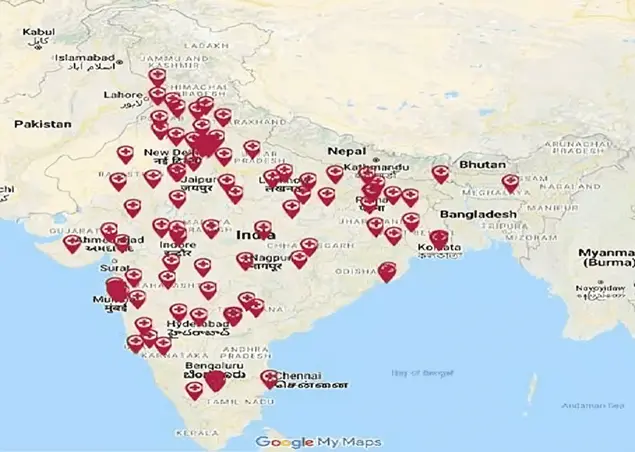
- Nationwide presence, making quality endometriosis and fertility care accessible across multiple locations.
This comprehensive approach will provide targeted symptom relief, enhance reproductive health, and promote well-being.
Frequently Asked Questions (FAQs)
Can endometriosis be cured?
While endometriosis is not curable, it is still possible to control the condition quite well through the use of drugs, changes in lifestyle, and surgical operations. Most of the time, the pain relief lasts a long time when the right treatment is given.
Is it linked to other health conditions?
Long-term pain in the pelvic area may be associated with endometriosis. The disease may also cause the formation of an ovarian cyst, indigestion, and even symptoms similar to those of an autoimmune disease. The complications that may arise are lowered by the appropriate handling of the condition.
Can pregnancy reduce symptoms?
Some individuals experience temporary remission of their symptoms during pregnancy because of the change of hormones, yet the condition usually relapses after the baby is born. Endometriosis is not regarded as a treatment for pregnancy.
Is it related to autoimmune diseases?
It has not been shown to have a direct connection, but some studies suggest the immune system may play a role in its development. This relationship requires further research to be understood.
Can lifestyle or diet help with Endometriosis?
Anti-inflammatory diets, physical activity, stress management, and sleep can be healthy habits that alleviate symptoms. These developments assist in medical treatment but do not replace it.
Who can get Endometriosis?
Endometriosis can affect anybody who is menstruating; however, the typical age range is between 15 and 49. Regardless of lifestyle, race, or reproductive history, it may occur.
What are the risk factors of endometriosis?
Early periods, short menstrual cycles, excessive bleeding, family history and some immune or hormonal factors are known to increase risk.
How does endometriosis affect fertility?
The condition can lead to scarring, inflammation, or cysts of the ovaries, the fallopian tubes, or the pelvic anatomy. Such developments make conception challenging for some people.
Can lifestyle changes help in managing endometriosis?
Yes. A healthy diet, proper weight, stress reduction, and physical exercise can help improve overall well-being and minimise symptoms.
What are the related conditions to endometriosis?
Adenomyosis, chronic pelvic pain, and ovarian cysts are some of the conditions that may occur with endometriosis. These can be identified and dealt with through proper evaluation.
Pregnancy Calculator Tools for Confident and Stress-Free Pregnancy Planning
Get quick understanding of your fertility cycle and accordingly make a schedule to track it
Get a free consultation!