
Overview
An endometrial biopsy is a common gynaecological procedure in which a small sample of the uterine lining is collected to investigate abnormal uterine bleeding, postmenopausal bleeding, endometrial hyperplasia, and uterine cancer. Although the procedure is quick, mild cramping and light spotting are common afterwards. Knowing what to expect during recovery and recognising warning signs of rare complications can help patients feel more prepared and seek timely medical care if needed.
Table of Contents
- What is an Endometrial Biopsy?
- What are the Most Common Side Effects?
- How Long Do Side Effects Typically Last?
- What Rare Risks or Complications Can Occur?
- How Can Patients Manage Post-Biopsy Discomfort?
- What are the Warning Signs of a Serious Issue?
- What Activities Should Be Avoided During Recovery?
- Conclusion
What is an Endometrial Biopsy?
An endometrial biopsy is performed by inserting a thin, flexible plastic tube (pipelle) into the uterine cavity through the cervix. The clinician gently collects a small tissue sample from the inside lining. The sample is then sent to a pathology lab for detailed analysis of the cells using a microscope.
The procedure is performed without general anaesthesia or hospital stay, making it a very efficient diagnostic tool. The nervous system reacts to the “temporary stimulation caused by the cervix and the gentle scraping of the uterine wall. These are the typical physical responses the patient experiences immediately after the procedure.
What are the Most Common Side Effects?
Most people experience mild to moderate physical symptoms immediately after tissue collection. These responses are the normal physiological reactions to a minor procedure inside the uterus.
The standard endometrial biopsy side effects include:
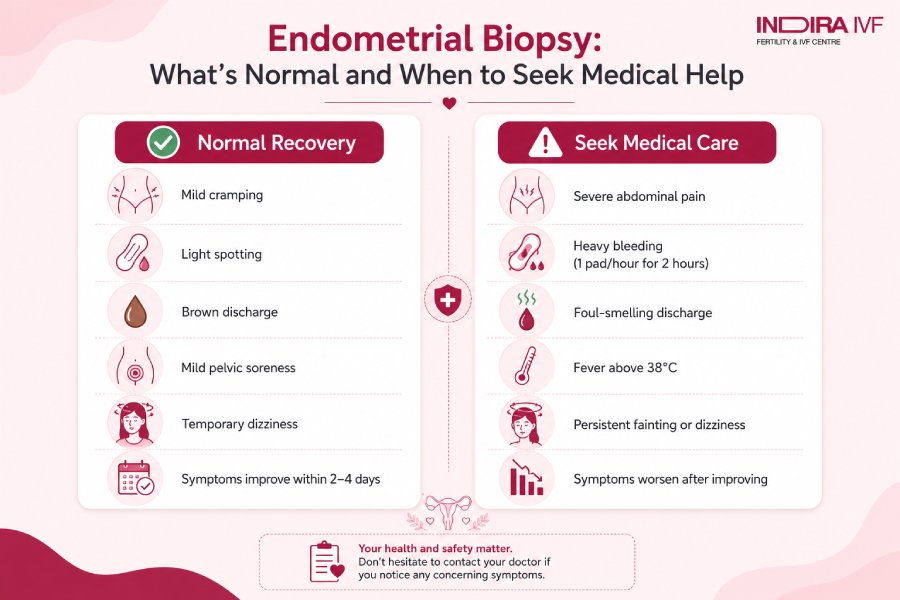
- Uterine Cramping: This is the most common side effect. The uterus is a muscular organ which naturally contracts when touched or stretched. The uterine muscle tightens up as the pipelle moves in and collects the tissue sample; this may feel similar to strong menstrual cramps. The cramping is typically the most intense during collection and then turns to a dull ache afterwards.
- Vaginal Spotting or Light Bleeding: Tiny blood vessels in the surface of the endometrium are broken when the sample is taken. Therefore, some light bleeding or brown spotting is quite normal. This spotting is often similar to the end of a menstrual period and can vary in the first few days.
- Pelvic Soreness: This is a general feeling of heaviness, pressure or a dull ache that may last for a short period.
- Mild Dizziness or Lightheadedness: Some people get a slight feeling of dizziness or lightheadedness during or immediately after the biopsy. When nerves in the vagina and cervix are stimulated, some patients may feel faint, sweaty, and/or nauseous for a few minutes.
How Long Do Side Effects Typically Last?
Fortunately, the recovery time for a standard diagnostic sampling is very short. The tissue sample is small, so the lining of the uterus recovers very soon.
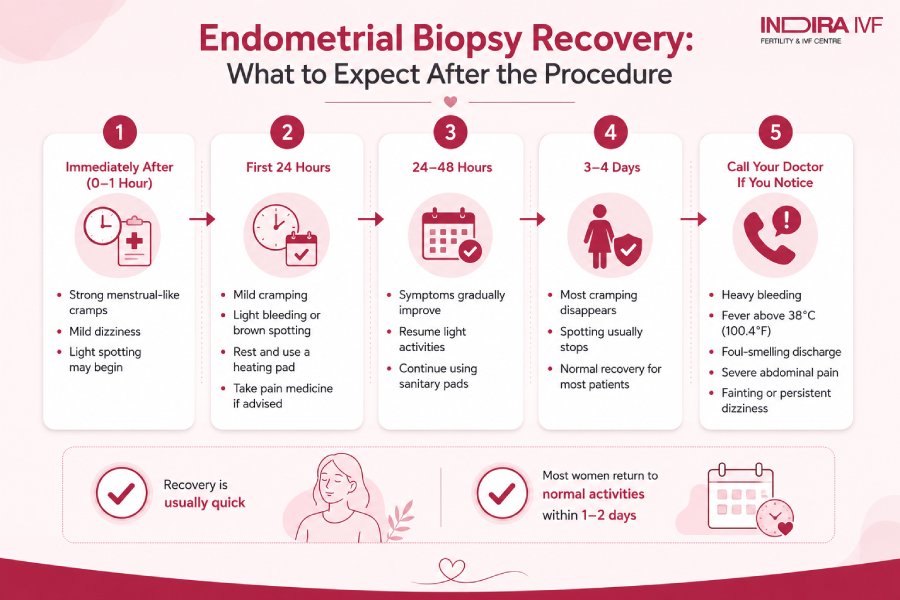
- The First Few Hours: The strong, sharp cramps usually go away within 30 to 60 minutes after the specialist removes the catheter. A vasovagal reaction typically causes lightheadedness or dizziness, which will pass within 10 to 15 minutes after lying down on an examination table.
- The First 24 to 48 Hours: Mild, intermittent cramping and dull aching may persist for a day or two, and usually improve with simple self-care measures. Spotting is more likely to occur during these hours and will gradually change from bright red to a darker brown.
- Beyond 72 Hours: Most physical side effects approximately disappear after the 3rd or 4th day. Vaginal discharge that does not improve after a week or cramps that get worse after they first get better are indications of a deviation from normal recovery.
What Rare Risks or Complications Can Occur?
There are very few clinical risks associated with an endometrial biopsy, but they can occur and, if serious, require intervention, though this is extremely uncommon. The patient must be aware of these complications so they can recognise any abnormal patterns post-procedure.
- Infection (Endometritis): As the instruments pass through the vagina and the cervix, bacteria may occasionally enter the uterus during the procedure. This causes infection of the inner lining of the uterus, the endometrium, and will usually become apparent some days after the test.
- Uterine Perforation: In rare cases, the end of the thin biopsy instrument may accidentally penetrate the muscular wall of the uterus, causing a small tear in the uterine wall. This risk is slightly higher in people who have a very tilted uterus, a narrow opening in the cervix (cervical stenosis) or who are postmenopausal (after menopause) and have thin uterine walls. Most small perforations heal spontaneously without surgery and should be monitored closely.
- Severe or Prolonged Haemorrhage: Light bleeding is normal; heavy bleeding that can be compared with a heavy period is abnormal and may indicate injury to a larger blood vessel in the endometrium.
- Cervical Laceration: During insertion, the part of the cervix stabilised by clips or instruments may sustain a small cut, which may cause minor, brief bleeding.
How Can Patients Manage Post-Biopsy Discomfort?
One should take preventive steps to minimise symptoms following a biopsy and make the post-biopsy recovery comfortable. Measures of comfort are:
- Pre-emptive and Post-Procedure Pain Relief: Take a Nonsteroidal anti-inflammatory drug (NSAID) 30 to 60 minutes before your appointment. This helps reduce uterine cramping. Post-procedural cramps are treated by continuing medication every few hours.
- Localised Heat Therapy: Place a hot water bottle or heating pad on your lower abdomen to relax the pelvic muscles, making uterine spasms less severe.
- Rest: Plan a light activity for the remainder of the day. Lying down with legs raised, lounging, and no lifting should help keep blood pressure normal and relieve pelvic pressure.
- Avoiding Internal Insertion: During the first couple of days, patients should not use a tampon or menstrual cup, just sanitary pads for spotting, to reduce the risk of infection while healing.
- Abstaining from Intercourse: The first 2-3 days (or until all bleeding has ceased) of abstaining from Intercourse protects the uterine lining and cervix from irritation and/or infection.
What are the Warning Signs of a Serious Issue?
Patient safety requires understanding the typical healing process from a medical complication. The patient should phone a gynaecologist or call the emergency care centre with the following symptoms:
- Heavy Vaginal Bleeding: Heavy bleeding may indicate excessive bleeding or haemorrhage, and it means you bleed through a sanitary napkin within an hour for 2 consecutive hours.
- Foul-Smelling Vaginal Discharge: Normal spotting post-biopsy does not have a pungent, unusual or offensive odour. A foul smell usually indicates a bacterial infection.
- Severe, Unremitting Abdominal Pain: This is a serious sign if cramps are becoming progressively more painful and are unmanageable even with maximum doses of pain relievers, and involve sharp points of pain on pressure to the abdomen.
- High Fever and Chills: If the temperature rises over 100.4 F (38 C) in the following days, it indicates an inflammatory or infective response from within.
- Persistent Dizziness or Fainting: Lightheadedness, weakness or fainting occurs within a few hours of visiting the clinic and can indicate potential problems with the blood pressure or internal bleeding.
What Activities Should Be Avoided During Recovery?
Patients should allow the cervix and uterine lining time to heal for several days and fully heal before intercourse to avoid problems such as infection or prolonged bleeding.
Major restrictions for the early recuperation phase include:
- No Vaginal Intercourse: Abstain from sexual intercourse during this period for at least 2-3 days or until all vaginal bleeding stops to prevent any bacteria from getting introduced into the uterus.
- Avoid Tampons and Menstrual Cups: Only use external sanitary pads or panty liners to catch blood, so there are no foreign objects that could irritate the sensitive cervix.
- Skip Douching: Douching should be avoided to prevent disturbing the protective bacteria that reside in the vagina during a time of healing.
- Avoid Strenuous Exercise: Avoid heavy lifting, high-intensity cardio, or core exercises for 24 to 48 hours to help keep pelvic blood pressure in check and prevent further cramping or bleeding.
Conclusion
An endometrial biopsy is an extremely helpful, quick diagnostic test that provides valuable information about the health of the endometrium; however, like all medical procedures, it has a set of temporary, expected side effects. Most common side effects of endometrial biopsy (light spotting, mild pain in the pelvis and temporary uterine cramping) are temporary and reflect the normal physical reaction of a healthy uterus. The symptoms typically resolve within 24 to 48 hours with simple measures such as self-care, over-the-counter pain medications and/or local heat.
While complications such as infection or uterine perforation are rare occurrences, it is important for patients to be aware of the signs to seek early treatment if necessary. Understanding what to expect, taking the necessary precautions with pre-procedure comfort measures, and allowing the body a day or two of gentle rest will help individuals successfully undergo this diagnostic test with minimal disruption to their daily routines and well-being.