
Overview
If you are wondering how to increase sperm motility, the good news is that many cases of low sperm motility can improve with the right approach. A nutritious diet, a healthy lifestyle, avoiding habits that harm sperm health, and treating any underlying medical conditions can all help improve sperm movement. Sperm take about three months to develop, so consistency is key. This guide walks you through the best foods, daily habits, supplements, and medical treatments that may help improve sperm motility naturally and boost your chances of conception.
Table of Contents
Introduction
Struggling with low sperm motility can feel confusing and discouraging, especially when you’re trying to conceive. Many men wonder what it means for their fertility or whether they can do anything about it. The truth is that low motility is common; and often reversible. Sperm health changes over time, and the choices you make each day can directly influence it. With the right foods, habits and medical guidance, many men see real improvement.
This article explains what low motility means for you and offers practical steps that genuinely help.
Can Sperm Motility Be Improved?
Yes, in many cases, sperm motility can improve, particularly when it is affected by lifestyle factors, nutritional deficiencies, smoking, excessive alcohol consumption, or certain medical conditions. However, improvement depends on identifying the underlying cause. Since sperm are continuously produced, adopting healthier habits and following appropriate treatment under medical guidance can gradually lead to better sperm quality and movement over time.
Healing, balancing, and believing
- Dr. Shiv
Foods That Naturally Boost Sperm Motility
What you eat can directly affect sperm quality, and certain nutrients are known to support healthier, more active sperm. If you’re wondering how to increase sperm motility naturally, these foods offer some of the best evidence-backed nutritional support:
- Walnuts: Rich in omega-3 fatty acids that may support sperm structure and motility.
- Tomatoes: High in lycopene, an antioxidant linked to better sperm quality.
- Citrus Fruits: Loaded with vitamin C, which may help protect sperm from oxidative stress.
- Leafy Greens: Spinach and kale provide folate, essential for proper sperm formation.
- Pumpkin Seeds: A good source of zinc, important for testosterone and sperm production.
- Dark Chocolate: Offers antioxidants and may support blood flow when consumed in moderation.
- Fatty Fish (Salmon, Sardines, Mackerel): Packed with omega-3 fats that contribute to sperm mobility and shape.
Foods to Avoid for Better Sperm Motility
Always, along with eating fertility-friendly foods, limiting certain foods may also support sperm health. Try to reduce processed foods, sugary drinks, excessive red and processed meats, trans fats, and foods high in refined carbohydrates. Frequent alcohol consumption may also negatively affect sperm quality. Choosing a balanced diet with fresh, minimally processed foods supports overall reproductive health and hormone balance.
Daily Habits That Actually Help
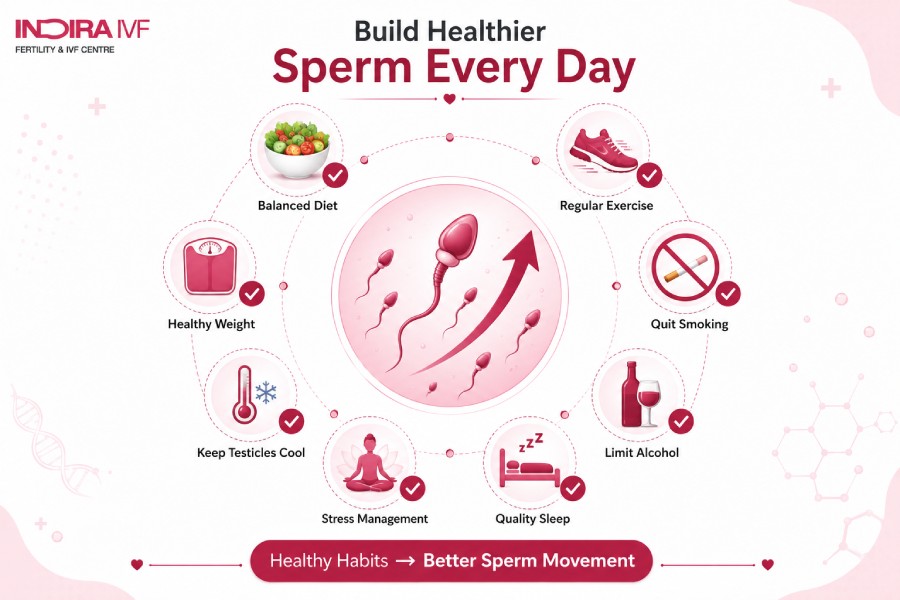
Sperm take around 70-90 days to fully develop, so the habits you follow consistently can make a real difference to motility. These daily lifestyle choices are shown to support healthier sperm:
Maintain a Healthy Weight
Overweight and obese states may impact hormones and decrease the quality of sperm. Balanced nutrition and regular exercise help to maintain a healthy weight and provide a healthier environment for sperm production, which leads to better production of testosterone.
Exercise Regularly
Moderate exercise enhances circulation, hormone function, and aids in reproductive health. Brisk walking, moderate cycling, swimming, or strength training a few times per week are good things to do. Do not do heavy workouts; this can have a bad impact on hormones.
Stay Cool in the Scrotal Area
Sperm production is best at a temperature just below body temperature. Don't have too many hot tubs, hot saunas, too many hours on the laptop on your lap, or too-tight clothing. Loose, breathable clothing could create a more favourable environment for the production of healthy sperm.
Quit Smoking
Smoking leads to the harmful chemicals that affect sperm motility and cause an increase in oxidative stress. Smoking cessation is not just good for fertility; it's good for health! A better quality of sperm may be apparent in the subsequent months, as new sperm begin to form.
Limit Alcohol
Excessive drinking can also disrupt the levels of testosterone and impact sperm quality. Cutting back on alcohol or drinking responsibly can help maintain a more balanced hormone level and promote healthy sperm growth in the long-term.
Reduce Stress
Chronic stress raises the levels of cortisol, which can have an impact on reproductive hormones. Relaxation exercises, mindfulness, hobbies, yoga, or regular exercise can help relieve stress and promote emotional and reproductive health.
Get Enough Sleep
Get 7-8 hours of good sleep per night. Getting sufficient sleep ensures normal hormone levels, such as testosterone, and promotes the body's normal function in making healthy sperm.
Supplements That Support Sperm Motility
Certain supplements may help improve sperm motility, especially when dietary intake is low. Always consult a doctor before starting any supplement. The nutrients most commonly recommended for supporting sperm movement include:
- Zinc
- CoQ10
- L-Carnitine
- Vitamin E
- Vitamin C
- Folate
- Selenium
- Omega-3 fatty acids
These nutrients may help reduce oxidative stress and support healthy sperm development, which can contribute to better motility over time.
Medical Treatments for Low Sperm Motility
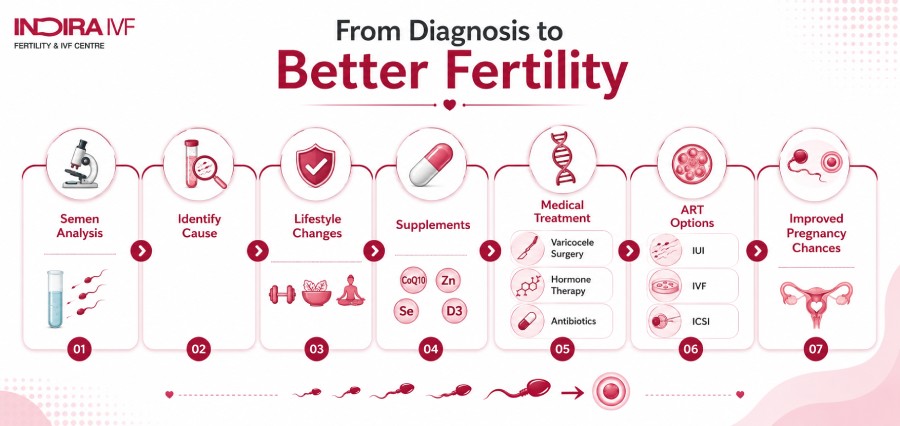
Sometimes, even with a healthy diet and lifestyle, sperm motility may stay low. In such cases, medical treatments can help, especially when an underlying condition is affecting sperm health. Common treatment options include:
1. Treating Varicocele
A varicocele is an enlargement of the veins in the scrotum and a common cause of reduced motility. A minor surgical procedure can correct it and may improve sperm movement and fertility.
2. Hormone Therapy
Hormone imbalances can interfere with sperm production. If tests show abnormal levels, medications may help restore hormonal balance and support better motility.
3. Antibiotics
Infections in the reproductive tract can reduce sperm quality. Targeted antibiotics can treat these infections and may improve motility once resolved.
4. Assisted Reproductive Techniques (ART)
For more severe motility issues, assisted reproductive methods can increase the chances of conception. Options include:
- IUI: Sperm is placed directly into the uterus.
- IVF: Eggs are fertilised outside the body and implanted into the uterus.
- ICSI: A single sperm is injected directly into an egg, particularly helpful when motility is very low.
How Long Does It Take to Improve Sperm Motility?
Improving sperm motility takes time because sperm take around 70-90 days to develop and mature. Positive lifestyle changes or medical treatments typically begin to show results after one complete sperm production cycle. Consistently practicing healthy habits and attending regular doctor's appointments can help you achieve the best possible results in the coming months.
When Should You See a Doctor?
You should consider seeing a doctor if you have been trying to conceive for 6-12 months without success, have a history of testicular injury, surgery or infection, or notice changes in sexual health or hormone levels. A simple semen analysis can help identify the cause of low motility and guide the right treatment.
Conclusion
Improving sperm motility rarely depends on drastic changes; it comes from understanding your body and making choices that genuinely support it. The foods you eat, the habits you build and the medical options you explore all give you a sense of control at a time when many men feel uncertain. Sperm health takes weeks to improve, so patience and consistency matter.
Low motility is not the end of your fertility journey; many men see real progress with the right approach. And if concerns persist, a healthcare professional can help you move forward with clarity and confidence.
Other Helpful Blogs
Common Questions Asked
How long does it take to improve sperm motility?
Most men notice improvements within 2-3 months because sperm take roughly 70 to 90 days to fully develop.
Can low sperm motility be treated naturally?
Yes, eating antioxidant-rich foods, exercising regularly, maintaining a healthy weight, avoiding heat exposure and limiting smoking or alcohol can naturally boost motility for many men.
Does stress affect sperm motility?
Yes. High stress increases cortisol, which can interfere with testosterone and sperm production. Managing stress through sleep, exercise and relaxation techniques can help.
When should I see a doctor for low sperm motility?
See a doctor if you have been trying to conceive for 6-12 months without success or if you suspect an issue like varicocele, infection or hormonal imbalance. A semen analysis and professional evaluation can offer clearer guidance.
Is low sperm motility the same as low sperm count?
No. Motility refers to how well sperm move, while count refers to how many sperm are present. A man can have a normal sperm count but low motility, or vice versa. Understanding the difference helps guide the right treatment and expectations.