
Synopsis
Fibroids are non-cancerous growths that develop in the muscular wall of the uterus. They are the most common type of uterine fibroid and often don’t cause symptoms for many women. But some women might have heavy menstrual bleeding, pelvic pain, pressure, or fertility problems.
How much the fibroids affect you depends on their size and location. By knowing the causes, symptoms, diagnosis, and treatment methods for intramural uterine fibroids, women will know when to see a doctor and make the right decisions to maintain reproductive health.
Table of Contents
- What is an Intramural Uterine Fibroid?
- What Causes Intramural Uterine Fibroids to Develop?
- What are the Symptoms of Intramural Uterine Fibroids?
- How is an intramural uterine fibroid diagnosed?
- How are Intramural Uterine Fibroids Treated?
- Can an Intramural Fibroid Affect Fertility?
- How to Deal With Daily Living While Having Intramural Uterine Fibroids?
- Takeaway
What is an Intramural Uterine Fibroid?
Intramural fibroids are uterine fibroids that grow within the muscular wall of the uterus. They are the most common type of fibroid and can vary in size and number.
Depending on their size and location, they may affect how the uterus functions or appears. This can lead to symptoms such as changes in menstrual flow, pelvic discomfort or, in some cases, fertility issues.
What Causes Intramural Uterine Fibroids to Develop?
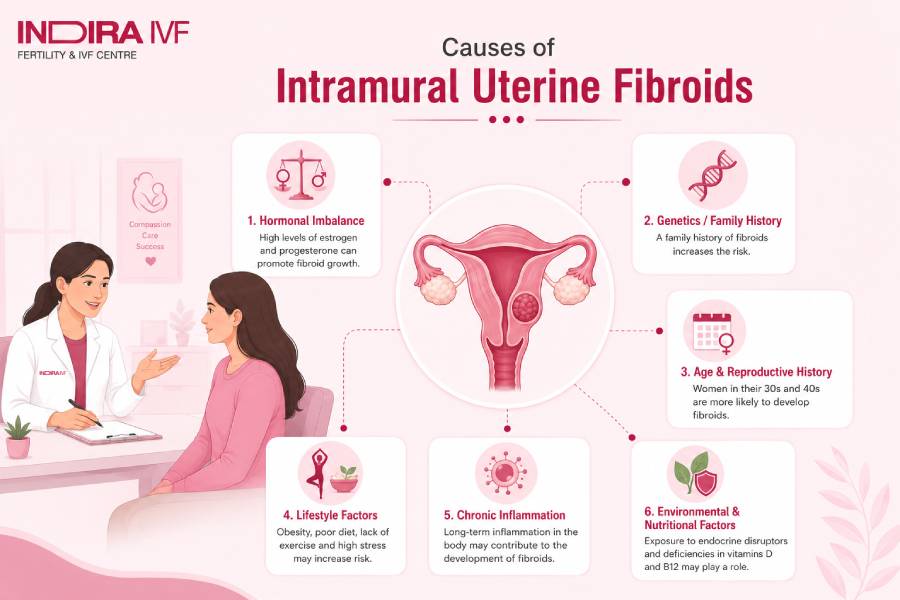
Intramural uterine fibroids develop due to a combination of hormonal, genetic and lifestyle-related factors.
1. Elevated hormonal levels
Estrogen and progesterone play a key role in fibroid growth. An imbalance in these hormones can stimulate the development and enlargement of fibroids.
2. Genetics
A family history of fibroids increases the risk. Certain genetic factors can lead to abnormal growth of uterine muscle tissue.
3. Age and reproductive history
Fibroids are more common in women aged 30-40, though they can occur at any age. Factors such as age at first menstruation and pregnancy history may also influence risk.
4. Lifestyle and environmental factors
Diet, weight and exposure to certain environmental factors may affect fibroid growth. Maintaining a healthy lifestyle can support reproductive health.
5. Other contributing factors
- Ethnic background may influence risk
- Chronic inflammation may support fibroid development
- Nutritional deficiencies may impact overall tissue health
What are the Symptoms of Intramural Uterine Fibroids?
Intramural uterine fibroids may cause symptoms, though some women remain asymptomatic. When present, symptoms can include:
Changes in menstrual flow
- Heavy or prolonged periods
- More frequent cycles
- Passage of blood clots
Pelvic discomfort or pressure
- Feeling of fullness in the lower abdomen
- Mild to moderate pelvic pain
- Discomfort during prolonged standing or physical activity
Impact on reproductive health
- Possible effects on fertility or conception
- Occasional pregnancy-related complications
Urinary or digestive symptoms
- Frequent urination due to pressure on the bladder
- Constipation or bloating due to pressure on the bowel
General well-being
- Fatigue, often linked to heavy periods.
- Ongoing discomfort affecting daily activities
How is an intramural uterine fibroid diagnosed?
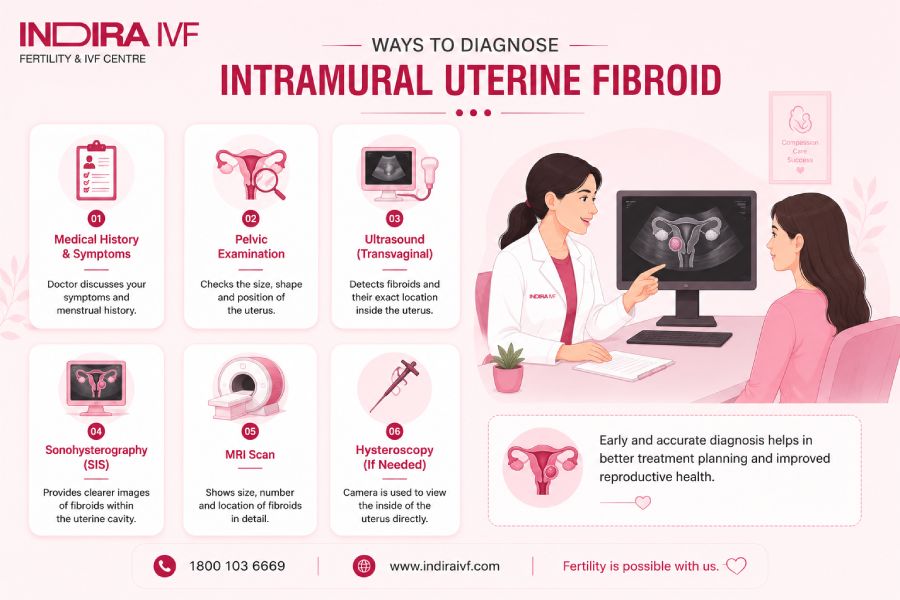
Intramural uterine fibroids are diagnosed through medical history, physical examination and imaging tests.
- Review of medical history: Assessment of menstrual patterns, pelvic pain, pregnancy history and existing medical conditions to guide further evaluation.
- Physical examination: A pelvic exam helps assess the size and shape of the uterus. Larger fibroids may be felt, while smaller ones may not.
- Imaging tests: Ultrasound or MRI is used to confirm the presence, size and location of fibroids. A hysterosonogram may be done for more detailed imaging.
- Laboratory tests: Blood tests may be used to screen for conditions such as anemia associated with heavy menstrual bleeding, though they do not diagnose fibroids directly.
How are Intramural Uterine Fibroids Treated?
To treat intramural uterine fibroids, your healthcare provider will have different options based on symptom severity, fibroid size, future pregnancy plans and overall health.
Some of the options include the following:
Watchful Waiting
Regular monitoring with ultrasound and doctor visits for small, asymptomatic fibroids
Medications
- Hormonal drugs: Help regulate menstrual cycles (e.g., birth control pills, hormone-releasing IUDs)
- Non-hormonal drugs: Help relieve pain; some may temporarily reduce symptoms
Minimally Invasive Procedures
- Uterine artery embolisation (UAE): This procedure shrinks the fibroids by decreasing their blood supply through embolisation (injecting small particles into the arteries supplying the fibroid)
- Myomectomy (Hysteroscopic/Laparoscopic): Surgical removal of fibroids while preserving the uterus. This method will allow you to preserve future pregnancy options.
Surgical Approaches
- Abdominal Myomectomy: Removal of fibroids via a small abdominal incision; this method may be used with large fibroids (greater than 10 cm) or numerous fibroids.
- Hysterectomy: The entire uterus is removed; generally used as a last option when other treatments are ineffective and if you do not want to become pregnant in the future.
Lifestyle and Complementary Measures
- Eat a healthy diet rich in fruits, vegetables and fiber.
- Exercise regularly, which is important for maintaining hormone balance.
- Utilise stress-relieving methods such as Yoga or meditation
- The best options for women with intramural uterine fibroids will be obtained through a combination of medical input, an individualised intramural fibroid treatment plan and lifestyle factors.
Also Read: How to Know If You Have Uterine Fibroids?
Can an Intramural Fibroid Affect Fertility?
Yes, an intramural fibroid can affect fertility, but this depends on size, number and whether it distorts the shape of the uterine cavity. Larger intramural fibroids can decrease blood flow to the uterine lining, disrupt the implantation of embryos, or change the uterine contractions required for a successful pregnancy.
However, many women with small intramural fibroids conceive naturally without any problems. If you have difficulty conceiving or a history of recurrent miscarriage, a fertility specialist will be able to assess whether the fibroid is contributing to the problem and advise on suitable treatment.
Intramural Fibroid vs Other Types of Fibroids
Feature | Intramural Fibroid | Submucosal Fibroid | Subserosal Fibroid | Pedunculated Fibroid |
Location | Within the muscular wall of the uterus | Just beneath the inner uterine lining | On the outer surface of the uterus | Attached to the uterus by a thin stalk |
Most Common Symptom | Heavy periods and pelvic pressure | Heavy bleeding and fertility problems | Pelvic pressure on nearby organs | Pain if the stalk twists |
Effect on Menstrual Bleeding | Common | Most significant | Usually minimal | Usually minimal unless large |
Effect on Fertility | May affect fertility if large or cavity-distorting | Highest impact on implantation and miscarriage risk | Usually little effect unless very large | Usually limited impact |
Pressure Symptoms | Moderate | Less common | Frequently causes bladder or bowel pressure | Depends on size and location |
Chance of Being Asymptomatic | Moderate | Less common | Common | Common |
Typical Treatment | Observation, medication, myomectomy, UAE | Often hysteroscopic removal if symptomatic | Observation or surgery if symptomatic | Surgery is painful or twisted |
How to Deal With Daily Living While Having Intramural Uterine Fibroids?
Managing daily life with intramural uterine fibroids involves symptom tracking, lifestyle adjustments and regular medical follow-up.
- Keep track of your menstrual cycle and any other symptoms so you can share this information with your healthcare provider.
- Add light exercise to increase blood flow and reduce pressure on the pelvis.
- Eat a nutritious diet to provide yourself with energy and help decrease inflammation.
- Include time to rest and manage your stress to help maintain your health.
- Attend follow-up appointments with your healthcare provider regularly to check for any growth in your fibroids and to see how well treatment is going.
Takeaway
Intramural uterine fibroids are common and often manageable, but their impact can vary from person to person. What matters most is recognising when symptoms begin to affect daily life and seeking timely medical advice rather than ignoring persistent changes.
With the right combination of monitoring, treatment and lifestyle adjustments, most women can manage symptoms effectively and maintain their quality of life. Staying aware of your body, keeping up with regular check-ups and making informed care decisions can help ensure that fibroids remain controlled and do not interfere with long-term health or personal goals.