Overview
Most women who have PCOS are found to be insulin resistant. This means your body is not able to use the insulin you produce effectively. This leads to more production of androgens which in turn worsens the PCOS. But this can be managed with food and a special PCOS diet.
Table of Contents
Introduction
Women with PCOS need to eat foods for a low-glycaemic index diet or an anti-inflammatory diet or a DASH (Dietary Approaches to Stop Hypertension) diet. The DASH diet helps reduce the risk or impact of heart disease as well as manage PCOS symptoms. A DASH diet is rich in fish, poultry, fruits, vegetables, whole grains, and low-fat dairy products. This PCOS diet discourages foods that are high in saturated fat and sugar.
What foods to eat if you have PCOS
The following healthy foods can lower inflammation, keep blood sugar levels in check, and help you maintain a healthy weight to mitigate the side effects of gut issues and other uncomfortable manifestations of PCOS.
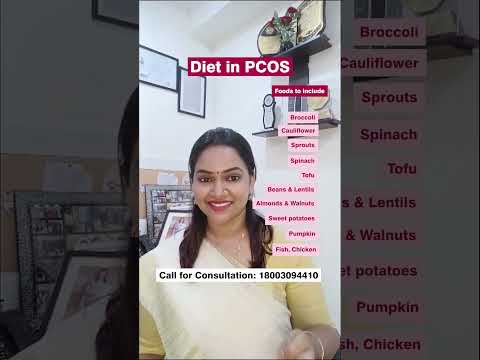
A healthy PCOS Diet includes
- High-fiber food – to lower insulin levels and provides antioxidants that fight to lower inflammation and better gut bacteria like seeds (chia, flax, sunflower seeds), legumes (rajma, chana, dals), berries (strawberries, blueberries, blackberries, raspberries), whole grains (oatmeal, brown rice, quinoa, bulgar.
- Lean protein – helps in weight loss and keeps you full for longer like fish (sea fish, river fish, prawns), poultry (chicken, turkey), plant protein (beans, peas, tofu, paneer).
- Anti-oxidant heavy food – to reduce the inflammation like fruits (strawberries, raspberries), vegetables (spinach, broccoli, cauliflower, beans), whole grains (oatmeal, whole wheat, quinoa, brown rice), unsaturated fats (nuts, olive oil, avocado)
These are recommended PCOS foods to eat for better PCOS management.
PCOS Foods to Avoid in Your Diet
Some foods to avoid with PCOS may worsen blood sugar swings, inflammation or weight management when eaten frequently.
- Avoid refined carbohydrates like white bread, pizza, pasta, white rice.
- Avoid sugary beverages like soda, fruit juice, bottled smoothies, cold-pressed juices.
- Avoid sweet, processed food like cakes, candy, cookies, sweetened cereals, sweetened yogurts, ice creams.
- Avoid saturated fats like red and processed meats (hamburgers) and trans fats (doughnuts, French fries, frozen pizza)
- Avoid dairy products when on a PCOS diet, like cheese, sweetened yogurt, milkshakes.
While the condition is now known as PMOS, formerly PCOS, the importance of a nutritious diet and healthy lifestyle in managing symptoms has not changed.
Sample Indian PCOS Diet Plan
There is no single PCOS diet chart that works for every woman. The following Indian meal plan focuses on fibre, protein, vegetables, whole grains and healthier fats while keeping highly processed and sugary foods limited.
|
Time |
PCOS Diet Plan, Indian (Imp) |
|
Early morning |
Water; unsweetened tea or coffee if preferred |
|
Breakfast |
Vegetable oats upma with eggs, or 2 moong dal chillas with paneer |
|
Mid-morning |
One whole fruit such as apple, guava, orange or pear with a few nuts |
|
Lunch |
2 whole-wheat rotis or a small serving of brown rice, dal, sabzi, salad and curd |
|
Evening |
Roasted chana, sprouts chaat or a handful of nuts |
|
Dinner |
Grilled fish/chicken with vegetables, or paneer/tofu with 1–2 rotis |
|
If needed |
Unsweetened curd, milk or a small portion of nuts |
Portion sizes should be adjusted according to individual energy needs, activity levels, medications and weight goals. A dietitian can personalise the plan, especially for women with diabetes, food allergies or other medical conditions.
Can Diet Improve Fertility in Women with PCOS?
Diet cannot cure PCOS, but healthy eating can support better metabolic health and regular ovulation in some women. A balanced diet, regular physical activity, and appropriate medical treatment may improve fertility when PCOS-related ovulation problems are making conception difficult. Even modest weight loss, when a woman is overweight, may help restore ovulation in some cases. However, women with PCOS who have a healthy weight can also have ovulation problems, so weight loss is not the only goal.
Lifestyle Tips to Manage PCOS
Food is only one part of PCOS care. Regular movement, adequate sleep, and stress management can also support overall health. Stay physically active: Walking, strength training, cycling or other enjoyable activities can help improve metabolic health. Include protein and fibre: Adding dal, beans, eggs, paneer, tofu, vegetables and whole grains can make meals more filling. Limit added sugar: Sugary drinks, sweets and highly processed snacks can make it harder to manage blood glucose and weight. Sleep well: A consistent sleep routine supports general metabolic and hormonal health. Manage stress: Yoga, breathing exercises, meditation or simple daily breaks may help with stress management. Avoid extreme diets: Very restrictive diets can be difficult to maintain and may not provide adequate nutrition. Keep medical appointments: Diet and lifestyle changes work alongside medical treatment rather than replacing prescribed medicines. The 2023 international evidence-based PCOS guideline recommends healthy eating and physical activity for women with PCOS, with no single diet shown to be superior for everyone.
Conclusion
A healthy PCOS diet plan is not about giving up every food a woman enjoys. It is about building balanced meals that provide enough protein, fibre, healthy fats and nutrient-rich carbohydrates. An Indian PCOS diet can include familiar foods such as dal, vegetables, whole grains, nuts, seeds, curd and lean proteins.
Regular physical activity, adequate sleep and maintaining a healthy weight can also support PCOS management. Since PCOS affects women differently, a diet that works well for one person may not suit another. A gynaecologist or registered dietitian can help create a practical PCOS diet chart based on individual symptoms, nutritional needs and fertility goals.
Common Questions Asked
What is the best diet for women with PCOS?
There is no single best PCOS diet. A balanced eating pattern rich in vegetables, fibre, protein, whole grains and healthy fats is a practical choice.
Which PCOS foods should I avoid in my diet?
Women with PCOS should limit sugary drinks, sweets, refined carbohydrates and highly processed foods. These foods can make healthy blood sugar and weight management harder.
Can a PCOS diet help with weight loss?
Yes. A balanced diet with appropriate portions can support healthy weight management. Even modest weight loss may improve some PCOS-related metabolic and reproductive outcomes.
Can diet improve fertility in women with PCOS?
Healthy eating may support metabolic health and regular ovulation, which can benefit fertility. However, some women need medicines or fertility treatment to achieve pregnancy.
Is a low glycemic index (GI) diet beneficial for PCOS?
A low-GI eating pattern may help with blood glucose control and improve overall diet quality. However, evidence does not show that one specific diet suits every woman.
Can women with PCOS eat dairy products?
Yes. Dairy does not need to be completely avoided unless a woman has an allergy, intolerance or another medical reason to limit it.