
Male Infertility and Mental Health: Why Men Need Support Too
Reviewed by Dr. P R Sahana
Gynaecologist & IVF Specialist
10+ years of experience
 Expert Verified
How is this page expert verified?
This information has been reviewed and approved by an experienced fertility specialist at Indira IVF to provide accurate and up-to-date guidance for our readers.
Overview
One of the biggest misconceptions among the masses related to infertility is that it only affects the woman. However, male infertility is real; it’s common, and it affects millions of men around the world. Yet, the emotional side of this condition is rarely discussed openly. Men are expected to “stay strong” and support their partners, even as they ride an emotional rollercoaster inside.
Male infertility and mental health are two topics that should be looked at simultaneously. In this article, readers will learn more about what male infertility is, what causes it, and how it affects a man's emotional well-being.
Table of Contents
- How Does Male Infertility Affect Mental Health?
- What Are the Common Causes of Male Infertility?
- What Does New Research Say About Infertility Stress in Men?
- What Should Men Avoid When Trying to Conceive?
- How Does Stress Affect Male Fertility?
- How Can Men Cope With the Emotional Impact of Infertility?
- How Is Male Infertility Diagnosed?
- How Is Male Infertility Treated?
- How Can Partners Support Men Experiencing Infertility?
- When Should Men Seek Professional Help?
- Key Takeaways
- Conclusion
How Does Male Infertility Affect Mental Health?
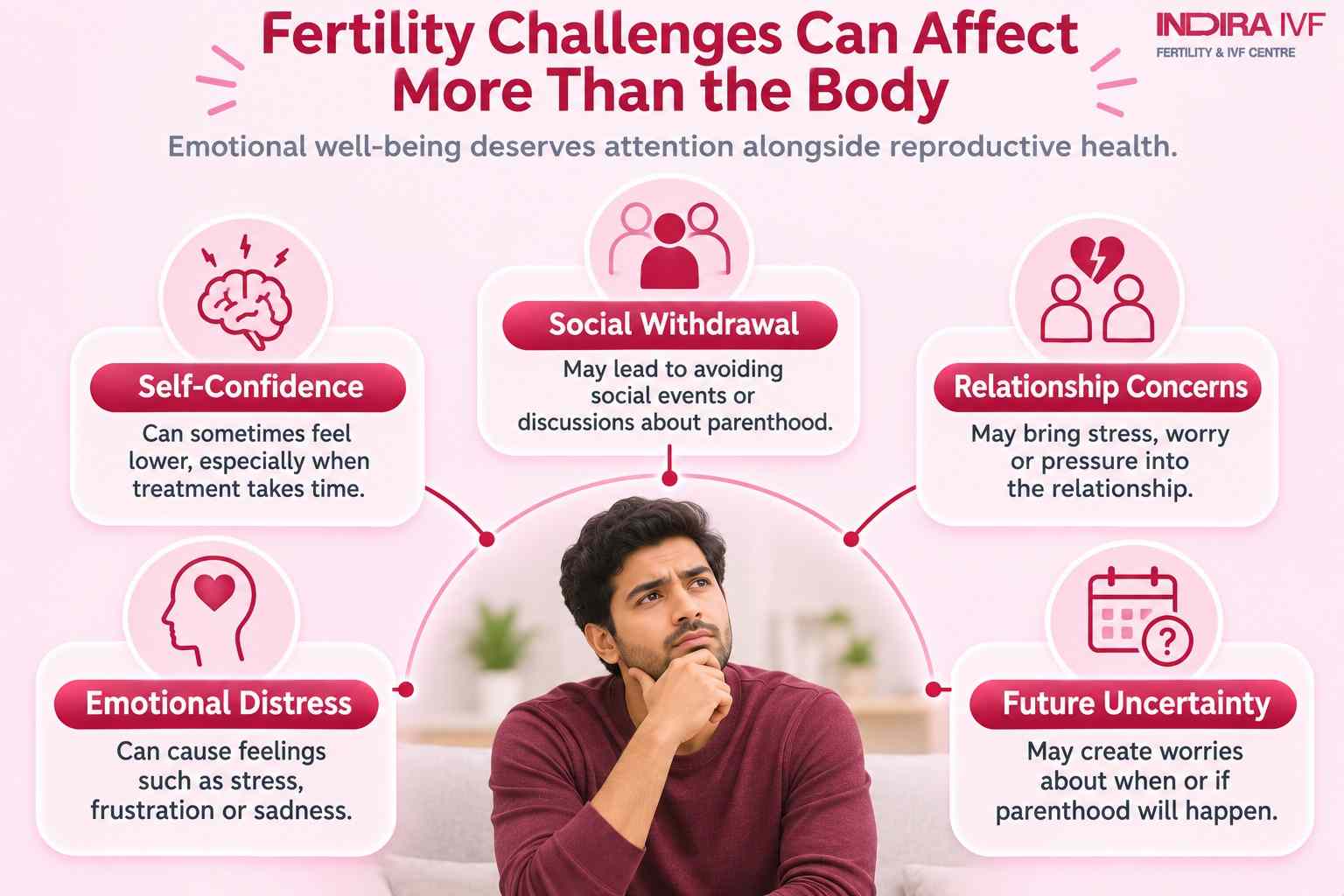
Infertility is a medical issue, but it does not only affect the body; it can reach into a person’s sense of identity. Many men, and those around them, link fertility to masculinity. When they are unable to conceive with their partner, it makes them feel inadequate. They may also feel as if they are letting their partner down. Society has ingrained these thoughts in the human mind, and dealing with them is not as easy as people think.
These feelings of inadequacy might lead to a man experiencing:
- Anxiety about the future
- Depression
- Low moods throughout the day
- Feelings of isolation
- Low self-esteem
- Strain in their relationship
This is why the emotional effects of male infertility need to be discussed openly, allowing men to understand that seeking help is never a sign of weakness but rather strength.
What Are the Common Causes of Male Infertility?
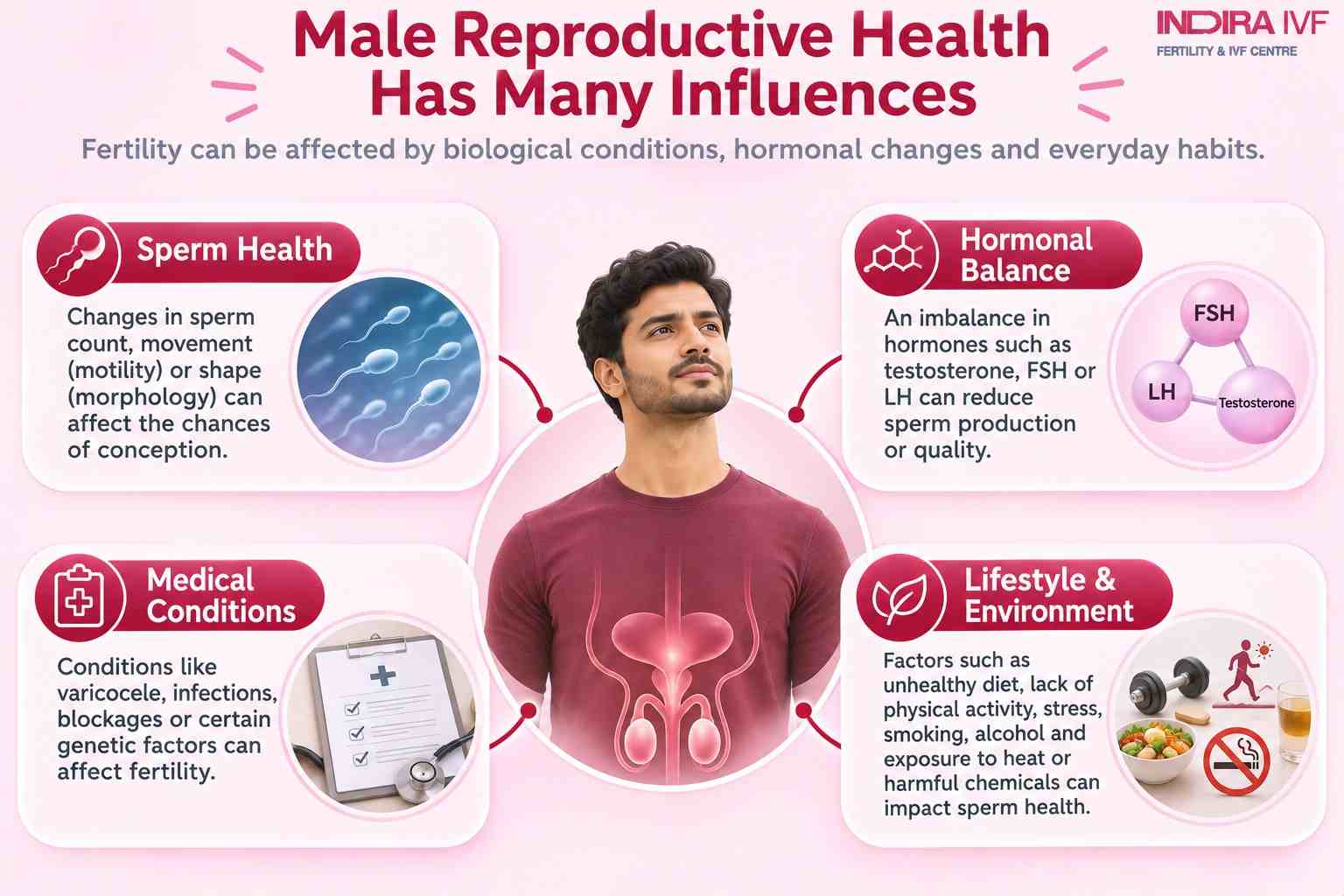
Male infertility does not have one single cause. It can result from endocrine, genetic, testicular, post-testicular, medication-related, infectious, environmental, or functional issues. Some common causes of male infertility are:
- Sperm-Related Factors: Male infertility can result from issues related to the quality of sperm, for instance, reduced number of sperm, poor sperm morphology, sperm with decreased mobility and even a lack of sperm in the seminal fluid entirely.
- Hormonal and Medical Conditions: Hormonal conditions can affect the hypothalamus or pituitary glands, such as low testosterone. Moreover, fertility may be affected by genetic conditions like myotonic dystrophy and Klinefelter syndrome. Diseases such as diabetes and autoimmune disorders might also cause male infertility.
- Lifestyle and Environmental Factors: Your lifestyle can also affect your ability to conceive. This includes smoking, drinking too much alcohol, being overweight, and exposure to toxins over a long period of time.
What Does New Research Say About Infertility Stress in Men?
In a recent study conducted in 2025, it was explained that the psychological effect of male infertility is larger than you think. Men struggling with infertility experience various forms of psychological disorders, including anxiety, depression, low self-esteem and identity crisis. There is a strong correlation between psychological well-being and fertility; struggling with infertility can cause men to feel distressed, isolated, and hopeless, leaving them grieving.
Persistent infertility also leads to impaired sexual function caused by the psychological pressures faced by a man. Infertility in itself is a challenge to the conventional notion of masculinity due to the cultural and social expectations of a man, which results in embarrassment, self-doubt, and reluctance to talk about their problems openly with others.
Male factor infertility can also cause strain on a relationship, negatively impacting sexual health and satisfaction. Even the diagnosis and treatment can cause decreased libido, erectile dysfunction, and performance anxiety.
To combat the emotional effects of male infertility, psychological support should be a prominent component of male infertility care, instead of an auxiliary. Societal and cultural norms should also be challenged, and there should be open conversations about the psychological effects of male factor infertility.
What Should Men Avoid When Trying to Conceive?
There are certain factors that can lower fertility and should be limited or avoided, including:
- Smoking, Alcohol and Recreational Drugs: These substances can damage the quality of sperm, lower testosterone levels, and increase the risk of genetic abnormalities. Smoking, alcohol, and the use of drugs for recreational purposes affect the sperm’s count, motility, and morphology, all while causing damage to DNA and sexual performance.
- Poor Diet and Lack of Physical Activity: Sperm health can suffer when a man’s diet is full of processed foods, unhealthy fats, and high sugars. Again, this can cause low motility, low sperm count, and abnormal shape. Similarly, a sedentary lifestyle can also affect sperm count. Research shows that a good diet and regular exercise can improve sperm quality.
- Excessive Heat and Other Lifestyle Factors: A slightly cool environment benefits sperm production, which can be affected by constant hot tub use, tight underwear, and laptops placed directly on the lap for long hours, which can increase scrotal temperature. Disrupted sleep and psychological stress can also disrupt normal testosterone production.
How Does Stress Affect Male Fertility?
Surprisingly enough, stress happens to be among the most commonly reported causes of male infertility. When a man is under chronic stress from money problems, job pressure, or personal troubles, his body releases cortisol, the primary stress hormone. This stress hormone affects testosterone production, reducing its levels. Low levels of testosterone lead to fertility problems such as low sperm count and poor sperm quality.
Stress can also be a contributing factor to male infertility, if not the main cause. This is because stress can lead to the development of harmful habits like smoking, drinking alcohol, and bingeing on unhealthy foods daily.
How Can Men Cope With the Emotional Impact of Infertility?
Whether it is due to societal expectations or a fear of being judged, men often tend to overlook their problems, preferring to ignore rather than address them. Coping with the emotional impact of infertility does not mean pushing the problem and pain away; it means healthily facing them. A few helpful strategies are:
- Open and honest conversations: You can improve the situation by talking with your partner, a trusted friend, or a therapist who specialises in reproductive issues.
- Joining a support group: Many support groups, both offline and online, are designed to help people like you. Hearing other men’s stories can reduce feelings of shame. It also becomes easier to share your problems when you are surrounded by people in the same boat as you.
- Setting boundaries: The fertility journey is highly personal. You do not have to discuss it with anyone you are not comfortable with. It is also absolutely fine if you want to skip events that may cause pain, like baby showers.
- Staying active: Regular exercise helps regulate cortisol levels, which may make you feel better. Try going for a run or hitting the gym from time to time to keep distressing thoughts away.
- Limiting self-blame: Blaming yourself for not being able to conceive is not going to help. Infertility is a medical condition in which fertility specialists can always help; never take it as a personal failure.
How Is Male Infertility Diagnosed?
You may experience some signs that point to infertility. Some common symptoms of male infertility include low sex drive, erectile dysfunction, swelling or pain in testicles, and problems with ejaculation. The biggest symptom, though, is the inability to have a child after months of trying to conceive. This is your sign to go to a doctor. Your doctor may diagnose infertility after performing:
- A physical examination
- Semen analysis
- Imaging tests (MRI, ultrasound, or venogram)
- Blood tests
- Urine tests
- Testicular biopsy
These tests can also help identify the cause of infertility, allowing treatment to be more targeted.
How Is Male Infertility Treated?
Male infertility can be reversed through treatments such as:
- Medications: Hormone therapy can help regulate hormone levels if they are too high or too low. Your doctor may also recommend alternatives or stop you from using medications that affect fertility, such as tricyclic antidepressants, calcium channel blockers, or anti-androgens.
- Surgery: Surgeries can be used to remove blockages, retrieve sperm, and remove varicose veins that are causing an obstacle to conception. Examples include vasoepididymostomy, sperm retrieval, varicocelectomy, and vasectomy reversal.
- Lifestyle changes: Sometimes, “fixing” infertility can be as simple as making a few lifestyle changes. This includes having a healthy body weight, quitting harmful habits like smoking and drinking, working out, managing stress, and getting enough sleep.
- Assisted Reproductive Technology (ART): Fertility specialists can help a couple conceive through ART techniques. This includes procedures like intracytoplasmic sperm injection (ICSI) and in vitro fertilisation (IVF).
How Can Partners Support Men Experiencing Infertility?
Apart from medical support, it is also important that a man gets emotional support at home from his partner. Having someone on your side can make all the difference. As a partner, you can help by:
- Asking about his feelings
- Avoiding putting blame
- Trying not to stress him out any more
- Including in decisions
- Encouraging him to seek professional help if necessary
- Reminding him he is not alone in his fertility journey
In this way, you not only show them you are there, but also give them the strength to get help and move forward with possible treatments.
When Should Men Seek Professional Help?
Talking to your partner, friends, or support groups can be extremely helpful. However, keep an eye out for signs that point to a need for professional help: Persistent sadness or feeling hopeless Loss of interest in everyday activities Constant fatigue or trouble sleeping Isolation from friends and family Thoughts of hurting yourself If this is the case, you may need professional help. A counsellor or therapist who understands the pain of fertility struggles can be a real blessing.
Key Takeaways
- Male infertility is common and often poorly understood.
- It is just as damaging to mental health as it is to physical health.
- The causes can vary from issues with sperm to lifestyle habits.
- Stress and infertility affect each other directly.
- Open communication and professionalism can help both partners.
Conclusion
Men’s fertility journeys can feel lonely, but they do not have to be. For years, men have been programmed to keep their feelings inside and not ask for help. Societal norms have taught them that seeking help for problems like infertility is an attack on their masculinity. This could not be further from the truth. Over time, more and more men are learning that it is okay to speak up because professionals are willing to listen.
The impact of male fertility on mental health is real. However, treatments and support systems are now designed specifically to help you. Remember, every time a man chooses to talk about his struggle, he makes it easier for the next man to do the same.
References
- Sahoo, S., Das, A., Dash, R., Behera, A., Mishra, N., & Bal, K. (2025). The Psychological Impact of Male Infertility: A Narrative Review. Cureus, 17(8), e89453. https://pmc.ncbi.nlm.nih.gov/articles/PMC12413911/
- Rotimi, D. E., & Singh, S. K. (2024). Implications of lifestyle factors on male reproductive health. JBRA Assisted Reproduction, 28(2), 320–330. https://pmc.ncbi.nlm.nih.gov/articles/PMC11152437/