
Overview
An endometrial biopsy is a commonly performed test in which a physician removes a small piece of tissue from the uterine lining (endometrium). It helps investigate abnormal uterine bleeding, evaluate hormone-related changes in the endometrium, or diagnose uterine cancer. The procedure is relatively fast, typically performed in an office with no general anaesthesia, though concerns about pain can make the procedure anxiety-inducing.
Pain varies between individuals and is usually described as cramping or a sharp pinching sensation. This is primarily because the catheter passes through the cervix and stimulates the uterus. However, understanding this can make the procedure feel less intimidating. Fortunately, measures such as over-the-counter painkillers or local anaesthesia could be used to minimise discomfort, making the procedure less painful.
Table of Contents
- What Is An Endometrial Biopsy
- Why Does An Endometrial Biopsy Cause Pain
- What Does The Pain Feel Like
- How Long Does The Discomfort Last
- Which factors influence the intensity of discomfort?
- Does The Menstrual Cycle Affect Pain Levels
- What Happens During the Procedure to Cause Cramping?
- Can Medication Reduce Endometrial Biopsy Pain Beforehand?
- Do Local Anaesthetics Help During the Biopsy?
- How Does The Doctor’s Technique Impact Pain
- What Are The Best Ways to Manage Pain During the Test?
- How Long Does the Pain Last After the Procedure?
- What Should Be Expected After The Biopsy
- When Is The Pain Considered Abnormal
- Are There Alternatives for Those With Low Pain Tolerance?
- Conclusion
What Is An Endometrial Biopsy
An endometrial biopsy is a procedure that involves collecting a small sample of the uterine lining and examining it under a microscope. Doctors typically use a thin, flexible tube called a pipelle. This tool gently draws a small tissue sample into the tube. The process is used as a diagnostic measure for a wide range of reproductive health issues.
This test is usually prescribed by doctors when a woman is experiencing:
- Bleeding after menopause.
- Very heavy or long periods of menstruation.
- Irregular bleeding between periods.
- Thickening of the uterine lining is seen on an ultrasound.
Since the procedure does not involve a surgical incision or a hospital stay, it is often the first step in treating uterine conditions.
Why Does An Endometrial Biopsy Cause Pain
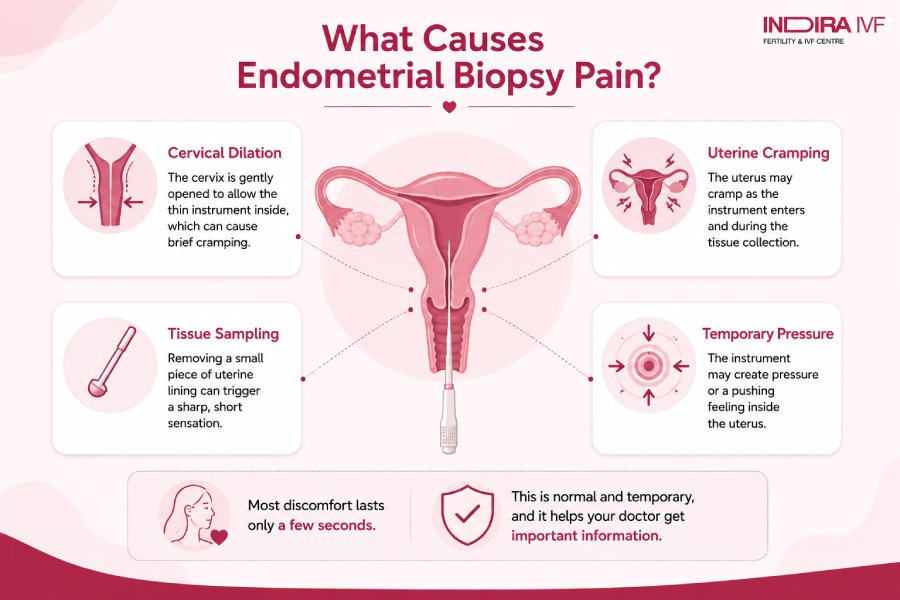
The primary source of endometrial biopsy pain stems from the manipulation of the cervix and the uterus. The uterus is a very sensitive muscular organ, and the cervix - the passageway to the uterus - is naturally narrow and closed in women who are not in labour.
There are a few particular movements in the course of the test that cause pain signals:
- Cervical Dilation: To reach the uterine lining, the doctor will need to pass the thin catheter through the cervical canal. This stretching of the cervix is usually followed by a sharp, localised pain.
- Uterine Irritation: When the catheter is inserted into the uterine cavity, it comes in contact with the walls of the uterus. The uterus may respond to the instrument by contracting, similar to how it does during a menstrual period.
- Tissue Extraction: The suction that causes the removal of the tissue sample in the pipelle results in a temporary, but intense pulling or grabbing sensation in the pelvic area.
What Does The Pain Feel Like
The sensation is described differently, yet the majority of women compare it to an incredibly powerful menstrual cramp. The experience is subjective because each person has a different pain threshold. Some experience slight pressure, while others report a sharp sensation and strong pressure over the course of several seconds.
The most frequent sensations are:
- Sudden, deep cramping or throbbing pain in the lower abdomen.
- The tool goes through the cervix and gives a sharp pinch.
- An intense pelvic pressure which can extend to the lower back.
- Short-term lightheadedness or nausea, also known as a vasovagal response, occurs when the body overreacts to a stimulus.
How Long Does The Discomfort Last
The simplicity of the procedure is one of its most reassuring aspects. The actual tissue collection phase usually lasts between 30 and 60 seconds. Although the procedure, such as the insertion of the speculum and cleansing of the cervix, lasts a few minutes, the peak of the endometrial biopsy pain is very brief.
When the doctor takes out the catheter, the most acute pain usually disappears instantly. Dull pain or slight cramping can last several minutes to a few hours after the appointment. Most women will be able to resume normal activities soon after leaving the clinic, though some will prefer to rest for the remainder of the day.
Which factors influence the intensity of discomfort?
Not every person has the same degree of pain with the endometrial biopsy. Several physiological and psychological reasons contribute.
- Menopausal Status: Women who have gone through menopause may have a narrower or "atrophic" cervix, making the passage of instruments more difficult and potentially more painful.
- Obstetric History: People who have previously delivered a baby through the vaginal delivery process tend to have a slightly wider cervical aperture, which in some cases may make the delivery process itself a little easier.
- Anxiety Levels: High levels of stress may cause the pelvic floor muscles to tighten, and this increases the resistance against the medical instruments and also increases the perception of pain.
- Uterine Position: A uterus that is significantly tilted (tipped) may require more manipulation to access, leading to increased discomfort.
Does The Menstrual Cycle Affect Pain Levels
The timing of a biopsy can affect the level of discomfort an individual experiences. At some point in the menstrual cycle, the cervix is a bit more open and softer, so to speak, and this can make inserting the catheter easier.
- Pre-menopausal Women: In some cases, it has been observed that doctors will usually attempt to book the biopsy during the early section of the cycle or around ovulation, when the cervix is generally more receptive.
- Postmenopausal Women: In women who have undergone menopause, the cervix and uterine lining are usually thinner, and the cervical opening can be narrowed (stenotic). This may complicate the process technically and be more painful.
- Hormonal Influence: The tissue may be more exposed to the sample, which may reduce the duration of the irritation.
What Happens During the Procedure to Cause Cramping?
To understand the pain, it is best to imagine the process that the doctor performs.
- Speculum Insertion: It is similar to a Pap smear, but a speculum is used to open the vaginal walls. This usually causes pressure rather than sharp pain.
- Cleaning the Cervix: The clinician begins by carefully wiping away the area around the cervix with an antiseptic solution to clean the site.
- Stablizing the Cervix: A tenaculum may be used to hold the cervix in place. This can cause a brief, sharp pinching sensation.
- Insertion of the Pipelle: A narrow tube is inserted gently into the cervix. It is during this phase that intense cramping begins.
- Tissue Collection: The doctor moves the internal part of the tube to create suction and collect tissue. These 30 to 60 seconds are typically the most intense part of the pain experience.
Can Medication Reduce Endometrial Biopsy Pain Beforehand?
To prevent the prostaglandin-mediated cramping e, most medical professionals advise the intake of preventive measures to reduce pain sensitivity.
- NSAIDs: The most common recommendation is to take ibuprofen (Advil, Motrin) or naproxen (Aleve) about 30 to 60 minutes before the appointment. These medications block the action of prostaglandins, the chemicals that cause uterine contractions.
- Cervical Softeners: In some cases, a doctor might recommend misoprostol, a medication that helps soften and slightly dilate the cervix, making the insertion process a bit easier for the patient.
Do Local Anaesthetics Help During the Biopsy?
While not always offered as a standard, localised numbing can be requested.
- Lidocaine Spray or Gel: Applying a topical numbing agent directly to the surface of the initial insertion can reduce pinching.
- Paracervical Block: This is done by injecting local anaesthetic into the tissue around the cervix. This injection can sting a little, but it is used to numb the area for the duration of the biopsy.
- Intrauterine Lidocaine: introduction of a small dose of lidocaine to the cavity of the uterus before biopsy may reduce the degree of internal cramping.
How Does The Doctor’s Technique Impact Pain
The health professional's proficiency and style contribute to the overall experience. A gentle and efficient technique usually results in a more comfortable experience. Communication also plays an important role; a doctor who takes the time to explain every procedure before it is performed will help the patient become accustomed to the sensations, which can reduce the startle response that often intensifies pain.
The replacement of outdated, inflexible metal instruments with a smaller, more flexible pipelle has also transformed the process. These are designed to trace the natural curve of the uterus and as a result, cause less trauma to the surrounding tissues and also significantly reduce the average pain score reported by patients.
What Are The Best Ways to Manage Pain During the Test?
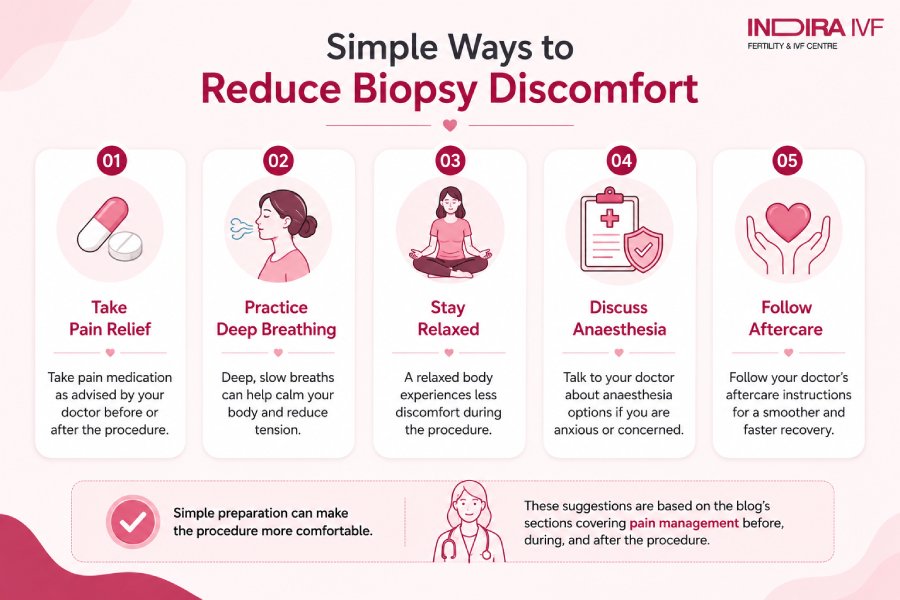
The gap between discomfort and endurance can be bridged with physical and mental techniques used during the procedure.
- Controlled Breathing: Deep, slow belly breathing helps distract the nervous system and prevent pelvic muscle tension.
- Communication: It is possible to reduce the startle reflex, which often exacerbates pain.
- Vocalising: Some people find that controlled exhaling or vocalising helps manage discomfort.
- Leg Placement: If the legs are tense in the stirrups, it may increase the overall pelvic pressure.
How Long Does the Pain Last After the Procedure?
The most intense pain during an endometrial biopsy usually subsides virtually the moment the device is taken out. But there are often background effects.
- Short-term Cramping: Mild to moderate cramping, not unlike a normal period, may last several hours or even a whole day.
- Spotting: Light bleeding or discharge is normal and can be accompanied by a "heavy" feeling in the pelvis.
- Rest: Most people can return to their usual activities quite quickly, but the uterus will usually feel more settled after an hour of rest following the procedure.
What Should Be Expected After The Biopsy
As soon as the procedure is finished, the body begins to recover immediately. Most women experience mild to moderate afterpain.
Following the procedure, you can expect:
- Spotting: A few days of light bleeding discharge. This is quite normal.
- Cramping: Periodic cramps can take place between 24 and 48 hours. This can be managed by continuing with NSAIDs as advised.
- Activity: To prevent infection, most doctors recommend avoiding heavy lifting or strenuous activity during the rest of the day, and abstinence from intercourse or wearing tampons for a few days.
When Is The Pain Considered Abnormal
Although some discomfort is normal, certain symptoms may indicate a complication, such as an infection or an injury to the uterine wall. It is important to distinguish between normal discomfort and signs of complications.
A patient should contact their doctor immediately if they experience:
- Intense, progressive abdominal pain, which is not responsive to medication.
- Excessive vaginal bleeding.
- Rapid rise in temperature or chills.
- Foul-smelling vaginal discharge.
- Fainting or intense dizziness that lasts after the procedure.
Are There Alternatives for Those With Low Pain Tolerance?
In individuals with severe anxiety or a history of sexual trauma or known cervical stenosis (narrowing), a routine office biopsy might not be the optimal course.
- Hysteroscopy with Sedation: This involves performing the biopsy in a surgical centre or hospital under conscious sedation or general anaesthesia. The patient do not expirance much pain throughout the process.
- Dilation and Curettage (D&C): This is a more thorough scraping of the lining, typically performed under anaesthesia, with a diagnostic and sometimes therapeutic role.
Conclusion
Many patients fear the possibility of experiencing pain during the process of an endometrial biopsy, because the procedure involves direct manipulation of the uterine lining. It is generally characterised as a sharp, short-lived cramp, yet it is manageable for most people. The most painful experience usually lasts no more than a minute, which helps put it into perspective.
Pain management is effective when started before the procedure. Comfort can be enhanced by using over-the-counter pain relievers, discussing local anaesthetics with a provider, and practising relaxation techniques. Even though the feeling is not pleasant, the diagnostic value of the biopsy is high. Proactivity and communication can assist the patient in receiving the required care with minimal pain.