
Overview
Metformin has conventionally been used in treating type 2 diabetes, insulin resistance, and polycystic ovarian disease. Some women will need to take metformin during pregnancy, as prescribed by their obstetrician, depending on their health. Research on metformin safety in pregnancy has largely been positive so far, provided that a medical specialist prescribes the medication. Each case is individual, and treatment should be done under professional medical supervision.
In this article, we will cover the indications, benefits, potential risks, side effects, and uses of metformin during pregnancy.
Table of Contents
- What is Metformin?
- Is Metformin Safe During Pregnancy?
- Why Is Metformin Prescribed During Pregnancy?
- How Does Metformin Work During Pregnancy?
- Benefits of Metformin During Pregnancy
- Possible Risks and Side Effects of Metformin During Pregnancy
- Benefits vs Potential Risks of Metformin During Pregnancy
- Who May Be Prescribed Metformin During Pregnancy?
- Who Should Not Take Metformin During Pregnancy?
- Can Metformin Affect the Baby?
- Metformin vs Insulin During Pregnancy
- Lifestyle Measures to Follow While Taking Metformin
- Can You Stop Taking Metformin After Becoming Pregnant?
- When Should You Contact Your Doctor?
- Common Myths About Metformin During Pregnancy
- Conclusion
What is Metformin?
Metformin is an oral medicine that is often prescribed for the treatment of type 2 diabetes. It is one of the drugs from the class of biguanides. Metformin controls blood sugar levels without stimulating insulin production by the pancreas.
The mechanism of action of metformin involves improving the body's sensitivity to insulin and reducing glucose production in the liver. Doctors commonly prescribe metformin for:
- Type-2 diabetes
- Prediabetes in selected individuals
- Polycystic ovary syndrome (PCOS)
- Insulin resistance
- Gestational diabetes in selected pregnant women
Women with PCOS generally take metformin before conception since metformin is known to help enhance ovulation and boost chances of pregnancy. However, based on the health condition of a woman, some women continue to take metformin during pregnancy as prescribed by their doctor.
Is Metformin Safe During Pregnancy?
For many women, the first concern is whether medication is safe for their baby. Based on recent clinical evidence on metformin pregnancy safety, the drug is usually considered safe in pregnancy, provided that its use is warranted by a medical professional and under careful control. It is effective at controlling glucose levels without the risk of congenital anomalies.
Doctors may recommend metformin during pregnancy for women with gestational diabetes, pre-existing type 2 diabetes, PCOS, insulin resistance, etc. The treatment regimen is individualised based on several parameters, including blood sugar levels, renal function, general health status, and pregnancy requirements.
While the drug can cross the placental barrier, there is currently no evidence that it increases the risk of serious congenital anomalies. Never start or stop metformin without consulting your doctor or obstetrician.
Why Is Metformin Prescribed During Pregnancy?
There are several medical reasons why a doctor may recommend metformin in pregnancy.
Gestational Diabetes
Gestational diabetes occurs when the body produces insufficient insulin during pregnancy. Higher levels of blood sugar may lead to complications, including:
- Bigger baby (macrosomia)
- Complications in childbirth
- Preterm birth
- Birth injuries
- Low levels of blood sugar in the baby
In some cases, lifestyle modifications alone will not be sufficient to regulate blood sugar levels. This is when metformin for gestational diabetes is prescribed alongside insulin or independently.
Pre-Existing Type 2 Diabetes
For women having type 2 diabetes prior to pregnancy, strict blood sugar management is needed during pregnancy. Poorly controlled diabetes increases the risk of:
- Miscarriage
- Congenital abnormalities
- Pregnancy-induced hypertension
- Preeclampsia
- Stillbirth
- Excessive fetal growth
Metformin may remain part of the treatment plan if the doctor determines that its benefits outweigh any potential risks.
Polycystic Ovary Syndrome (PCOS)
Insulin resistance is common among women with PCOS. It can interfere with ovulation and reproduction. The use of metformin for PCOS pregnancy is common since the drug increases insulin sensitivity before conception. Metformin can also be continued during the first trimester of some pregnancies, depending on the woman's condition.
Research indicates that metformin is beneficial in preventing certain complications associated with pregnancy in women with PCOS. However, the recommendations depend on the patient's health status.
Insulin Resistance
Insulin resistance means that insulin is less effective at signalling cells, leading to high blood sugar. Obesity, PCOS, or pre-diabetes among women can result in insulin resistance during pregnancy. Metformin helps increase cellular insulin sensitivity and thus helps maintain healthier blood glucose levels.
How Does Metformin Work During Pregnancy?
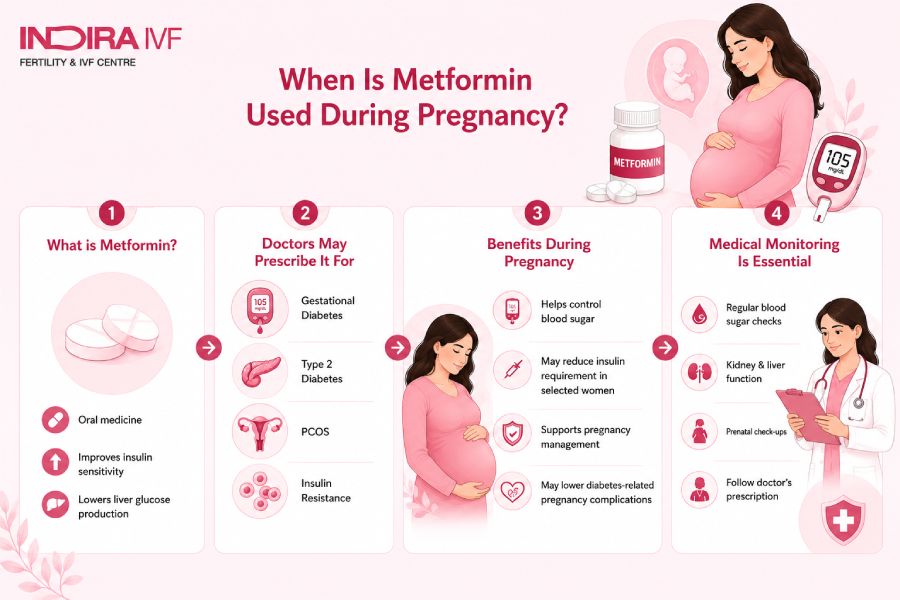
Metformin does not lead to an increase in insulin secretion in the body. It increases the efficiency of insulin utilisation in the body.
Functions of Metformin include:
- Improves Insulin Sensitivity
It makes the body's cells more sensitive to insulin, which helps them take up glucose more effectively.
- Reduces Glucose Production by the Liver
Glucose is produced naturally in the body by the liver. Metformin works by decreasing glucose synthesis.
- Helps Maintain Healthy Blood Sugar Levels
Proper blood sugar control prevents diabetes-related complications in pregnant women.
- Supports Pregnancy Management in Selected Cases
With appropriate treatments using metformin, it can be part of a comprehensive management plan for pregnancy, along with other factors.
Benefits of Metformin During Pregnancy
Metformin in pregnancy presents a number of possible advantages to pregnant women requiring medication.
- Helps Control Blood Sugar Levels
Metformin helps with proper glucose management, which reduces the risk of various problems for the mother and fetus.
- May Reduce the Need for Insulin in Some Women
Some pregnant women with either gestational or type 2 diabetes may have their glucose levels managed without using insulin with the help of metformin. However, some women may need to use insulin regardless of metformin use.
- Supports Pregnancy Management in Women with PCOS
PCOS features elevated rates of insulin resistance among women before they conceive. Metformin, in some situations, can be useful for maintaining blood sugar balance during pregnancy for women with PCOS.
May Lower the Risk of Certain Pregnancy Complications
Some studies show that proper blood sugar control can prevent some risks, such as:
- Excessive fetal growth
- Pregnancy-induced hypertension
- Preeclampsia in some women
- Complications during birth due to poorly controlled diabetes
The benefits can vary greatly from person to person.
Possible Risks and Side Effects of Metformin During Pregnancy
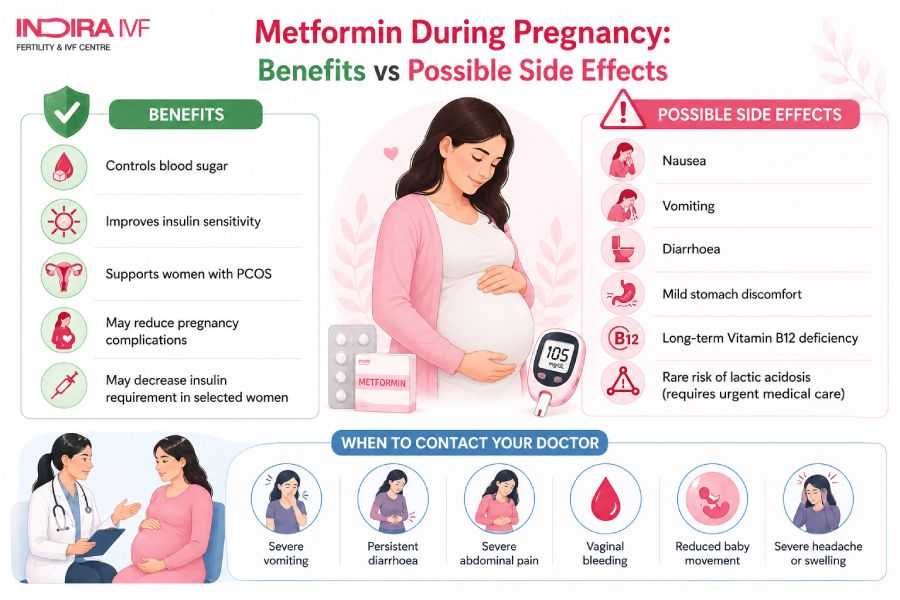
Like all medications, metformin might cause side effects. Fortunately, most are mild and improve as the body adjusts to treatment.
- Nausea/Vomiting
Some women have nausea after taking metformin. Taking this medication with food may help reduce this side effect.
- Diarrhoea
Diarrhoea is one of the most common side effects of metformin. Most often, symptoms resolve in about three weeks.
- Digestive Discomforts
Some women might feel bloating, cramps, indigestion, and mild stomach pain. Physicians advise using low doses and increasing dosage gradually.
- Reduced Vitamin B12 Levels with Long-Term Use
Chronic use of metformin causes a lowering of vitamin B12 levels in some women. If treatment continues for an extended period, the doctor may recommend periodic blood tests or vitamin supplementation when necessary.
- Rare but Serious Side Effects
A very rare complication called lactic acidosis has been reported in people with severe kidney disease or certain other medical conditions. These are rare, but if you develop severe weakness, trouble breathing, unusual muscle pain or extreme tiredness, get emergency help right away.
Regular medical reviews can reduce these risks.
Benefits vs Potential Risks of Metformin During Pregnancy
Here are some benefits and risks of metformin
Benefits | Potential Risks/Considerations |
Helps control blood sugar levels | Mild nausea and vomiting |
Improves insulin sensitivity | Diarrhoea and stomach discomfort |
May reduce the need for insulin in selected women | Vitamin B12 deficiency with long-term use |
Supports pregnancy management in women with PCOS | Crosses the placenta, requiring ongoing medical monitoring |
May reduce certain pregnancy complications associated with uncontrolled diabetes | Not suitable for women with certain kidney or liver conditions |
Who May Be Prescribed Metformin During Pregnancy?
The use of metformin in pregnancy should be based on a woman’s overall health status, her blood glucose, and her pregnancy requirements. Not all pregnant women need to be on metformin. It is always tailored to the individual's health status.
Women with Gestational Diabetes
A woman who is suffering from gestational diabetes and fails to meet the healthy glucose level using natural measures might be prescribed metformin for gestational diabetes. In addition, insulin may be required when the targets are not achieved.
Women with Type 2 Diabetes
A woman who is already suffering from type 2 diabetes before pregnancy can continue using metformin when her healthcare provider finds it necessary, and if required, insulin too.
Women with PCOS
Some women with PCOS may continue metformin for PCOS pregnancy, particularly if they have significant insulin resistance or other medical indications. The decision depends on individual circumstances and should always be made by the treating doctor.
Women with Insulin Resistance
Women with insulin resistance who are at risk of developing diabetes during pregnancy may also be advised to take metformin when lifestyle measures alone are insufficient.
Who Should Not Take Metformin During Pregnancy?
While metformin in pregnancy is regarded as safe for some pregnant women, it does not suit all individuals. Your concerned doctor may suggest another type of drug in case you have:
- Serious kidney problems
- Serious liver diseases
- History of lactic acidosis
- Conditions in your heart or lungs due to a lack of oxygen supply
- Allergy to metformin
- Other medical conditions that make the medication not applicable
To prescribe metformin, your doctor may recommend tests to assess the function of your kidneys and liver. Follow-up visits will ensure that your medication is safe during your pregnancy.
Never begin or stop using metformin without consulting your doctor or obstetrician.
Can Metformin Affect the Baby?
Metformin pregnancy safety is one of the biggest worries for pregnant women who have been prescribed it. It has been established that metformin crosses the placenta, meaning the drug reaches the growing fetus. Yet no increased risk of major birth defects has been found if metformin is taken according to indications in pregnancy. Prescribing metformin should be justified by more benefits than harms.
Uncontrolled diabetes, for example, can lead to:
- Increased size of the baby
- Preterm delivery
- Injuries at birth
- Hypoglycaemia in babies
- Complications during pregnancy
Thus, maintaining proper blood sugar levels is very important. Your doctor will continue monitoring:
- Baby's growth
- Maternal blood sugar levels
- Pregnancy progress
- Overall maternal health
Regular prenatal care remains essential throughout pregnancy.
Metformin vs Insulin During Pregnancy
Here are some key differences between metformin and insulin
Feature | Metformin | Insulin |
Method of administration | Oral tablet | Injection |
How it works | Improves insulin sensitivity and reduces glucose production | Replaces or supplements insulin directly |
Placental transfer | Crosses the placenta | Does not cross the placenta |
Common use | Selected women with gestational diabetes, PCOS, insulin resistance, or type 2 diabetes | Women who require tighter blood sugar control, or when metformin alone is insufficient |
Side effects | Mainly digestive symptoms | Low blood sugar, weight gain, injection-related discomfort |
Medical supervision | Required | Required |
The decision to use either metformin or insulin depends on the woman's medical history, her blood glucose levels, the progress of the pregnancy, and the physician’s assessment.
Lifestyle Measures to Follow While Taking Metformin
Medications and healthy habits go hand-in-hand.
1. Follow a Balanced Pregnancy Diet
Adhere to a well-balanced diet which should consist of:
- Whole grain products
- Vegetables
- Fruits in reasonable amounts
- Protein-rich food
- Healthy fats
Avoiding sweet snacks and refined carbs can help control blood glucose levels.
2. Be Active
If your doctor approves, physical activity like walking and prenatal yoga will help to enhance insulin sensitivity and will be beneficial for you during pregnancy.
3. Monitor Blood Sugar Levels
For diabetic women, monitoring their blood sugar levels might be required based on their doctor’s recommendations. Results recorded during measurement help in making adjustments when necessary.
4. Attend Regular Prenatal Check-Ups
During routine prenatal appointments, the doctor is able to monitor:
- Growth of the baby
- Health of the mother
- Blood pressure
- Sugar levels
- Medication efficiency
It also helps in spotting complications early.
5. Take Medications Exactly as Prescribed
Never skip a dose, alter the dose, or stop taking metformin during pregnancy without consulting your doctor. Following your dosage instructions will help keep your blood sugar level steady.
Can You Stop Taking Metformin After Becoming Pregnant?
Some women wonder whether they should stop taking metformin as soon as they discover they are pregnant. The answer is no. You should never stop Metformin In Pregnancy without consulting your doctor. Sudden withdrawal from the drug might lead to increased levels of blood glucose, hence posing a threat to pregnancy.
The doctor will determine the following:
- Whether to continue using metformin
- Whether to use insulin
- Change the dosage
- Withdraw from medication during pregnancy
All treatment protocols are customised to your health status and pregnancy progress.
When Should You Contact Your Doctor?
While many women tolerate metformin well, certain symptoms require prompt medical attention. Contact your doctor if you experience:
Persistent Side Effects
- Severe nausea
- Continuous vomiting
- Ongoing diarrhoea
- Severe stomach pain
Symptoms of Uncontrolled Blood Sugar
- Excessive thirst
- Frequent urination
- Blurred vision
- Extreme fatigue
Signs of Dehydration
- Dizziness
- Dry mouth
- Reduced urination
- Weakness
Concerns About Medication Use
Talk to your doctor if you:
- Miss several doses
- Take an extra dose
- Get new symptoms since beginning treatment
- Are unsure about taking the medication anymore
Changes in Pregnancy Health
Get medical attention when you see:
- Decreased movement of the baby
- Bleeding from the vagina
- Excessive swelling
- Severe headache
- Constant pain in the abdomen
- Fluid discharge
- Premature labour signs
Early evaluation can help safeguard both the mother and her baby.
Common Myths About Metformin During Pregnancy
Myth: Metformin Always Harms the Baby
Fact: Studies have proven that metformin poses no risks of being associated with serious malformations if prescribed under the supervision of a doctor.
Myth: Every Woman with Gestational Diabetes Needs Metformin
Fact: Gestational diabetes can sometimes be treated with a healthy diet and lifestyle choices. When the problem persists and medication is required, it is prescribed after a proper assessment.
Myth: Metformin Can Replace a Healthy Diet
Fact: A healthy diet is very important during pregnancy anyway. No matter how metformin is taken, a person has to stick to healthy lifestyle habits in general.
Myth: You Can Stop Metformin Once Pregnancy Is Confirmed
Fact: Do not discontinue the medication without consulting a doctor. Abrupt cessation may result in poor blood sugar control.
Myth: Metformin Eliminates the Need for Prenatal Monitoring
Fact: Routine check-ups with your doctor will still be required even if your glucose levels are under control.
Conclusion
It’s not surprising that any kind of drug intake during pregnancy is frightening; nevertheless, metformin in pregnancy will be important in treating diseases like gestational diabetes, polycystic ovary syndrome, type-2 diabetes, and insulin resistance.
All pregnancies are unique, so the benefits and potential risks need to be weighed on a case-by-case basis. Regular prenatal examinations will ensure that both you and your baby stay healthy throughout the pregnancy. If you have any questions regarding the use of metformin during pregnancy, you should consult your obstetrician. Many women safely deliver healthy children after using metformin.