
Overview
Male fertility contributes to nearly half of all infertility cases, yet it is often overlooked when couples struggle to conceive. While male fertility supplements have become increasingly popular for supporting sperm health, they are not a cure for infertility. This comprehensive guide explains what male fertility supplements are, how they work, the essential vitamins and antioxidants they contain, who may benefit from them, and their limitations. It also covers lifestyle habits, fertility-friendly foods, common myths, and when to consult an IVF specialist, helping couples make informed decisions about improving male reproductive health.
Table of Contents
- Introduction
- What Are Male Fertility Supplements?
- When Are Male Fertility Supplements Recommended?
- How Do Male Fertility Supplements Work?
- Key Nutrients Found in Male Fertility Supplements
- Can Male Fertility Supplements Improve Fertility?
- How Long Do Male Fertility Supplements Take to Work?
- Who May Benefit from Male Fertility Supplements?
- Lifestyle Habits That Work Alongside Supplements
- Foods That Naturally Support Male Fertility
- Can Supplements Replace Fertility Treatment?
- When Should You Consult a Fertility Specialist?
- Common Myths About Male Fertility Supplements
- Conclusion
Introduction
Trying for a child can take an emotional toll on a couple. The constant anticipation, month after month, of a pregnancy test may get exhausting for both partners. Although fertility is normally discussed in terms of a woman's health,male fertility is just as crucial, as it causes almost fifty per cent of cases of infertility.
Healthy sperm are necessary for conception. Sperm count, motility, and morphology all play an important role in achieving pregnancy. Difficulties with any of these factors can reduce the chances of conception.
Due to the rising awareness of male reproductive health, male fertility supplements that support male reproductive health have become quite popular nowadays.
They include compounds that can support healthy sperm production and development in some men. However, they are not a remedy for infertility and must be used only under the consultation of an IVF doctor, who will determine the root cause and suggest the right course of treatment.
What Are Male Fertility Supplements?
Male fertility supplements are specific supplements that contain nutrients that aid in maintaining male reproductive health. In contrast to general multivitamins, they include components specifically designed for malesperm production and function, and to protect against oxidative damage.
These supplements commonly include vitamins, minerals, antioxidants, amino acids, and healthy fatty acids that help maintain normal reproductive processes.
Their main function is to assist in:
- Healthy sperm production
- Sperm motility and functionality
- Prevention of oxidation damage to sperm cells
- Healthy hormone levels
- General reproductive health
Although they can help improve the semen characteristics of certain individuals, they cannot be treated as a cure for male infertility problems. Issues with structural problems, hormonal imbalance, genetic factors, and a blocked reproductive tract need to be dealt with medically. That is why male fertility supplements are most effective when used in a personalised fertility plan together with an IVF doctor.
When Are Male Fertility Supplements Recommended?
Not all men who want to have children need male fertility supplements. It is the doctor who will recommend supplements based on medical history, lifestyle, and semen analysis results.
Low Sperm Count
A low sperm count means there are not enough sperm relative to the average. In cases of nutrient deficiencies, nutrients for sperm production, including zinc, folic acid, selenium, and antioxidants, may support sperm production.
Poor Sperm Motility
Sperm motility refers to the ability of sperm to move efficiently. Low sperm motility complicates the process of conception. Male fertility supplements, including Coenzyme Q10 and L-carnitine, can help improve sperm mobility.
Abnormal Sperm Morphology
Morphology describes sperm shape and size. Even though some abnormalities cannot be treated by male fertility supplements, some supplements containing antioxidants can improve sperm health.
Oxidative Stress
Oxidative stress leads to the destruction of sperm cells and DNA. Many supplements for sperm health include antioxidants that protect sperm cells.
Nutritional Deficiencies
Nutritional deficiencies like zinc,vitamin D, selenium, folic acid, and others can influence reproductive system health. Supplementation may be recommended when deficiencies are identified.
Before Fertility Treatments
Men preparing for IUI, IVF, or ICSI may be advised to optimise sperm health beforehand. As sperm production takes 2 to 3 months, supplements are often started several weeks before treatment.
How Do Male Fertility Supplements Work?
Sperm production relies on hormones, nutrients, and the well-being of an individual. Male fertility supplements contain nutrients that help to facilitate all the above.
Supporting Spermatogenesis
The process of sperm production is known as spermatogenesis and relies heavily on nutrients, vitamins, and minerals. Two vitamins for male fertility are zinc and folic acid, as they play a major role in sperm formation.
Protecting Sperm from Oxidative Damage
Antioxidants such as vitamin C, vitamin E, selenium, Coenzyme Q10, and lycopene may play a critical role in protecting sperm against oxidative stress.
Improving Sperm Motility and Function
L-carnitine and Coenzyme Q10 help with energy production and help keep sperm mobile.
Supporting Hormone Production
Some substances can contribute to the maintenance of normal levels of testosterone, but cannot replace hormone disorder treatment.
Importance of Overall Reproductive Health
It is better to use supplements alongside a healthy lifestyle, such as well-balanced nutrition, physical activity, a normal body weight, non-smoking, non-alcohol consumption, and the absence of stress.
Key Nutrients Found in Male Fertility Supplements
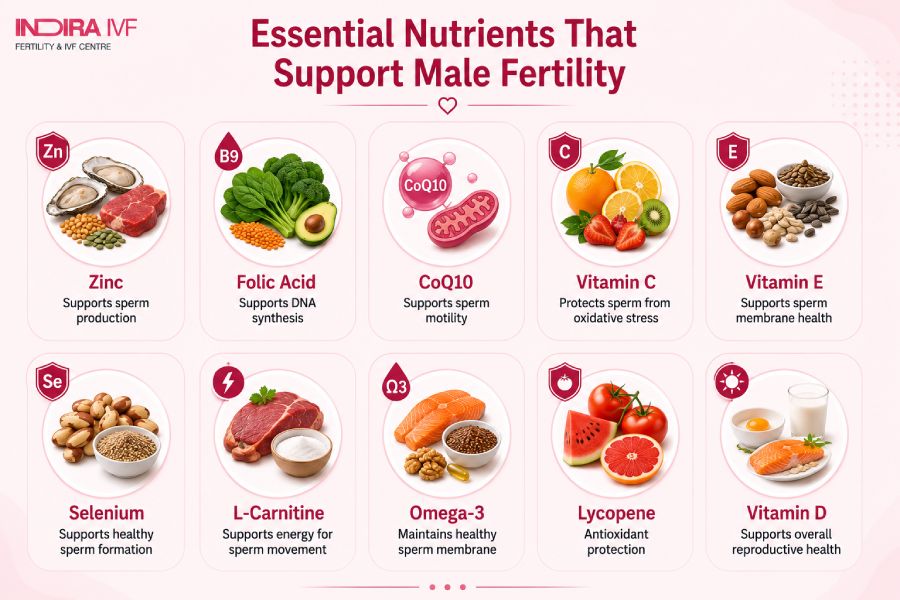
Male fertility supplements consist of vitamins, minerals, antioxidants, and amino acids that help maintain proper sperm function and reproduction.
- Zinc: Aids in maintaining testosterone levels as well as sperm production. Deficiency could affect sperm quality.
- Folic Acid: Aids in DNA synthesis and cell division during the production of sperm. This is usually taken alongside zinc.
- Coenzyme Q10 (CoQ10): An antioxidant, which aids energy production and is thought to aid sperm motility.
- Vitamin C: Aids in protecting sperm and DNA from oxidative stress.
- Vitamin E: When combined with Vitamin C, it protects sperm cell membranes from oxidative stress.
- Selenium: This nutrient protects sperm against oxidative damage and supports their proper formation.
- Vitamin D: It contributes to reproductive health, but its specific role in male fertility is not yet known.
- L-Carnitine: It helps to produce energy, which makes it easier for sperm to swim. L-Carnitine is usually among the most effective supplements for sperm health.
- Omega-3 Fatty Acids: Help maintain a healthy sperm cell membrane.
- Lycopene: An antioxidant that helps protect sperm from oxidative damage; it is usually found in the best supplements for male fertility.
Can Male Fertility Supplements Improve Fertility?
A common question is whether male fertility supplements may improve the chances of conception among couples. From research, it has been established that it is possible for supplements to improve the quality of sperm for some men, particularly those with deficiencies in nutrients or suffering from oxidative stress, but they cannot necessarily fix all causes of infertility in men.
What Current Research Suggests
Research shows that certain antioxidants and micronutrients may help improve sperm count, motility, or morphology in some cases. Nonetheless, the outcomes are inconsistent; improved semen parameters do not necessarily mean conception right away.
Potential Benefits for Some Men
If recommended by an IVF doctor, dietary supplements for sperm health can be beneficial as follows:
- Help produce healthy sperm
- Enhance sperm mobility
- Prevent DNA damage in sperm from oxidative stress
- Overcome nutrient deficiencies
- Promote reproductive health
Why Results Vary Between Individuals
Male infertility depends on many factors such as age, lifestyle, health, hormones, and genetics. Thus, supplements can be useful for some men, whereas others may need to take medications or undergo surgical or fertility procedures.
Importance of Identifying the Underlying Cause
Prior to using male fertility supplements, the cause of infertility needs to be determined. This is done through a fertility workup that includes a medical history, a physical exam, a semen test, and hormone tests. This way, the IVF specialist will be able to recommend the right treatment instead of the supplement itself.
How Long Do Male Fertility Supplements Take to Work?
Patience is important when starting fertility supplements. Sperm production occurs continuously, and it takes about 2 to 3 months for sperm to fully develop.
This implies that any improvements in the quality of sperm will be noticed after a number of weeks of using the supplement. Using the supplement for a few days will not yield any results.
Follow-ups with an IVF specialist are necessary to determine whether the treatment plan is working.
Who May Benefit from Male Fertility Supplements?
Not all men trying to conceive need male fertility supplements, but they could definitely benefit from their advantages in some cases.
Men with Nutritional Deficiencies
Lack of zinc, folic acid, vitamin D, selenium, and antioxidants may have an impact on sperm production. The solution to these problems will aid fertility.
Men with Lifestyle-Related Fertility Concerns
Smoking, obesity, alcohol abuse, unhealthy diet, lack of exercise, and stress can negatively affect sperm.
Men Planning Pregnancy
Men planning a pregnancy may be advised by a doctor to take vitamins for male fertility if nutritional support is needed.
Men Undergoing Fertility Evaluation
Men with mild abnormalities on semen analysis may be advised to take supplements while further investigations continue.
Men Receiving Fertility Treatment
Men preparing for IUI, IVF, or ICSI may be advised to optimise sperm health. Supplements can help increase your fertility levels, but they need to be used in conjunction with other methods to treat infertility.
Lifestyle Habits That Work Alongside Supplements
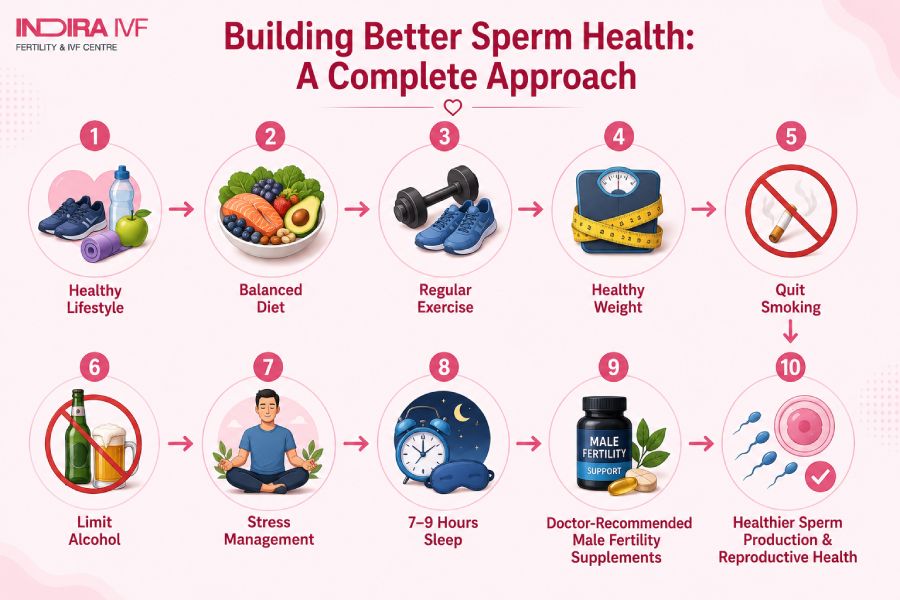
It is important to keep in mind that even though there are male fertility supplements available easily, they will be more effective when used together with healthy lifestyle choices.
Eat a Balanced Diet
Your body requires certain nutrients for sperm production, which will come from a healthy diet. They consist of various fruits, vegetables, whole grains, protein, fats, dairy products, and water.
Exercise Regularly
Exercise will help regulate hormones and weight while also improving your reproductive health. Some forms of exercise include walking, swimming, cycling, and weight lifting.
Have a Healthy Body Weight
Being overweight may have some influence on hormone levels and sperm production.
Quit Smoking
Smoking can cause reduced sperm count and motility. Quitting smoking will help improve your fertility.
Reduce Alcohol Consumption
Too much consumption of alcohol can have some negative impacts on the body’s ability to produce hormones and healthy sperm.
Manage Stress Levels
Stress may affect your sleep and overall lifestyle. There are some ways to manage stress, such as exercising, relaxation techniques, counselling, and family support.
Ensure You Get Enough Sleep
Try to get 7–9 hours of sleep every night to support hormone regulation and reproductive health.
Foods That Naturally Support Male Fertility
Nutrition is a very vital factor in ensuring reproductive health and is complemented by the benefits of using male fertility supplements.
- Nuts and Seeds
The above foods contain nutrients such as zinc, selenium, vitamin E, and healthy fats that improve sperm quality.
- Citrus Fruits
Oranges and lemons are rich in vitamin C, which protects the sperm from oxidative damage.
- Leafy Greens
There are plenty of leafy greens, such as spinach and kale, which are sources of folate and antioxidants, and are thus important for proper sperm development.
- Omega-3 Fatty Acid-Rich Fish
These fish have high levels of omega-3 fatty acids, which are responsible for healthy membranes of sperm cells.
- Eggs
This food product contains proteins, vitamin D, and choline, which are crucial for the reproductive system.
- Whole Grains
The foods listed above contain fibre, B vitamins, and other nutrients that play an important role in keeping the male reproductive system healthy.
- Legumes
These include beans, lentils, and chickpeas, which provide protein, folate, iron, zinc, and other essential nutrients for sperm production.
In general, a combination of a healthy diet, a healthy lifestyle, and proper supplementation is quite useful for improving male fertility. Nevertheless, it is necessary to remember that they are complementary to medical treatment.
Can Supplements Replace Fertility Treatment?
While male fertility supplements can assist in ensuring the optimal state of sperm, they do not have the capability of treating infertility alone, which is due to factors such as hormonal disorders,varicocele, genetic factors, infections, or reproductive tract obstructions.
Understanding the Limitations of Supplements
While fertility supplements aid in proper sperm production and functioning, they are unable to:
- Treat hormonal problems
- Unblock the reproductive tract
- Treat infertility cases involving genetics
- Fix structural disorders
- Substitute IUI, IVF, or ICSI treatments
Most men should take fertility supplements as part of their individualised fertility program.
When Medical Evaluation is Necessary
Where conception has failed to occur due to regular intercourse without any contraception, both partners are supposed to undergo a medical assessment. The fertility specialist might advise on the following:
- Semen analysis
- Testing for hormone levels
- Medical examination
- Ultrasound, if required
- Genetic analysis, if applicable
These factors will guide in deciding the treatment options available and help determine whether lifestyle changes, male fertility supplements, medication, surgery, or fertility treatment are more appropriate.
Supplements as Part of a Comprehensive Fertility Plan
Supplements for sperm health help maintain healthy sperm and must be used with a proper lifestyle and fertility treatment. However, all this needs to be done under the guidance of a doctor.
When Should You Consult a Fertility Specialist?
Seeing a fertility specialist sooner rather than later can highlight any fertility problems early and ensure prompt commencement of any treatment.
- Difficulty Conceiving
Seek medical evaluation if pregnancy has not occurred after:
- 12 months of regular unprotected intercourse if the female partner is under 35 years.
- 6 months if the female partner is 35 years or older.
Earlier consultation is recommended if either partner has known fertility concerns.
- Abnormal Semen Analysis
If after a semen analysis, the results show low sperm count, poor motility, abnormal morphology, or other abnormal semen analysis, treatment should begin as soon as possible.
- Known Medical Conditions
Consult an IVF doctor if you have:
- Varicocele
- Undescended testes
- Hormonal disorders
- Diabetes
- Previous chemotherapy or radiation therapy
- Genetic disorders
- Previous reproductive surgery
- Recurrent Pregnancy Loss
Repeated pregnancy loss may sometimes be linked to male factors, including sperm DNA damage. Both partners should undergo a fertility evaluation.
- Before Starting Fertility Supplements
Although many male fertility supplements are available over the counter, they should not be taken without medical advice. A fertility specialist can recommend the most appropriate supplement based on your individual health and fertility evaluation.
Common Myths About Male Fertility Supplements
There are many misunderstandings that people have regarding male fertility supplements. Below is a list of misconceptions along with the facts.
Myth 1: Supplements Can Cure Male Infertility
Fact: These supplements can help promote reproductive as well as overall health, but are not the sole cure for infertility issues.
Myth 2: Taking More Supplements Gives Better Results
Fact: Taking too much of the supplement will not speed up the effects. It might also lead to side effects.
Myth 3: All Natural Supplements Are Safe
Fact: Even natural supplements have side effects. They can react with certain drugs as well.
Myth 4: Fertility Supplements Work Immediately
Fact: Sperm may take at least a couple of months or more, and supplements will take time to show positive effects, even with consistent usage over this time.
Myth 5: Only Older Men Need Fertility Supplements
Fact: Infertility can strike individuals of any age. It can be easily affected by poor lifestyle choices, medical issues, smoking, alcohol consumption, stress, drug abuse, etc.
Conclusion
Trying unsuccessfully to have babies can be tough on the emotions, but many couples can become parents with the correct treatment. Male fertility supplements may help boost sperm health because they contain important nutrients for sperm production that the body needs to make healthy sperm. This is not, however, the cure for infertility, but it only works when the right diagnosis has been made of the condition.
Apart from taking the best supplements for male fertility, there are other factors that support reproductive system well-being, such as maintaining a healthy lifestyle through eating well, exercising, staying at a healthy weight, not smoking, cutting down on alcohol intake, and managing stress.
Everyone’s fertility story is unique, and some couples conceive through the proper diagnosis and treatment done by a fertility specialist. For those who are planning to have a baby and want to know more about fertility supplements for men, it is best to visit a fertility specialist. first