Start Your Parenthood Journey at the Best IVF Centre in Chennai
Chennai has long been recognised as a major healthcare destination, with people travelling from across Tamil Nadu and neighbouring states for specialised medical care. If you're looking for fertility treatment in Chennai, choosing the right clinic means more than comparing success rates or treatment options. It means finding a team that takes the time to understand your medical history, identify the underlying cause of infertility, and recommend a treatment plan that's right for you.
Infertility affects around one in six people globally, and in many cases, there is an identifiable cause that can be treated with the right medical approach. Every fertility journey is different, which is why a thorough evaluation and personalised care are essential before beginning treatment.
At Indira IVF, we have supported lakhs of families through successful fertility treatment across India. In Chennai, we operate two centres - Nungambakkam and Tambaram - each with its own embryology lab, dedicated specialists, and the full range of diagnostic and treatment services in-house.
Patients in Chennai benefit from a 74%* IVF success rate - among the strongest outcomes in the network - supported by advanced lab technology and protocols that are adjusted per patient, not standardised.
If you'd like to understand your options before deciding anything, the first consultation is exactly the place to start.
Our Fertility Clinics in Chennai
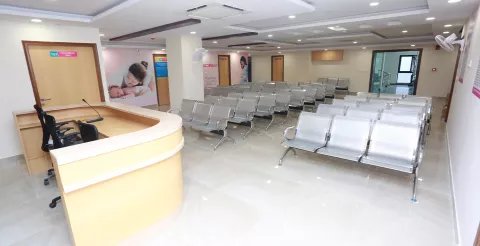
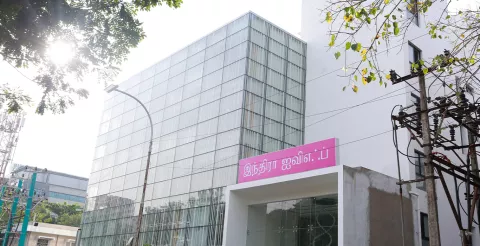
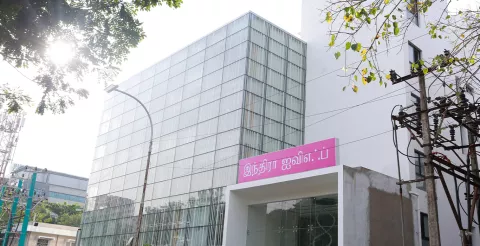
Our two Chennai centres are positioned to serve different parts of a city that spans a long north-south stretch - so whether you're in Central Chennai or the southern suburbs, access to treatment is manageable.


Opposite Sales Tax Office Building (Rear Gate), Behind Hyderabad Biryani, Thousand Lights East, Nungambakkam, Moores Road-Greams Road Junction,Nungambakkam, Tamil Nadu, 600006


2nd Floor, Police Station, 169, Velachery Rd, near Selaiyur, East Tambaram, Selaiyur,Chennai, Tamil Nadu, 600073
Meet Our Fertility Specialists in Chennai
Our fertility and IVF doctors in Chennai have deep experience across the full spectrum of fertility conditions - from first-time consultations to complex cases involving recurrent IVF failure or severe male-factor infertility. Consultations are available in Tamil, Telugu, and English.


How to Reach our IVF Centres in Chennai
Complete Address
- Opposite Sales Tax Office Building (Rear Gate), Behind Hyderabad Biryani, Thousand Lights East, Nungambakkam, Moores Road-Greams Road Junction,Nungambakkam, Tamil Nadu, 600006
Nearby Areas Patients Commonly Travel From
- T. Nagar (~3 km)
- Royapettah (~2 km)
- Anna Nagar (~8 km)
- Vadapalani (~6 km)
- Mylapore (~4 km)
- Kilpauk (~5 km)
- Adyar (~8 km)
Nearest Famous Landmarks
- Apollo Hospital Greams Road (~500 m)
- Express Avenue Mall (~2 km)
- US Consulate Chennai (~1 km)
- Semmozhi Poonga (~1 km)
- Spencer Plaza (~2 km)
- Marina Beach (~5 km)
Top Doctors & Qualifications
- Dr. M Nandini Devi
- Dr. Sangeetha M C
Complete Address
- 2nd Floor, Police Station, 169, Velachery Rd, near Selaiyur, East Tambaram, Selaiyur,Chennai, Tamil Nadu, 600073
Nearby Areas Patients Commonly Travel From
- Tambaram (~4 km)
- Chromepet (~6 km)
- Medavakkam (~5 km)
- Pallikaranai (~8 km)
- Velachery (~10 km)
- Perungalathur (~7 km)
- Mudichur (~8 km)
- Sholinganallur (~14 km)
Nearest Famous Landmarks
- Camp Road Junction (~1 km)
- Madambakkam Lake (~4 km)
- Kishkinta Theme Park (~8 km)
- Tambaram Market (~4 km)
- Bharath University (~6 km)
Top Doctors & Qualifications
- Dr. Swetha Jain
Why Choose Indira IVF for IVF Treatment in Chennai?
There are several fertility clinics in Chennai. Here is what we think actually matters when making this decision:
- Experience with the full range of cases: Fertility conditions don't fit into one treatment. PCOS, endometriosis, blocked fallopian tubes, low ovarian reserve, unexplained infertility, severe male-factor infertility - each requires a different approach. Our specialists manage this range every day and recommend treatment based on your clinical findings, not a default protocol applied across the board.
- Outcomes that are published and verifiable: Our Chennai centres deliver a 74%* IVF success rate - calculated from actual pregnancy outcomes, not selectively reported figures. At your first consultation, your doctor will tell you what that figure means for your specific age and diagnosis, not just cite it as a headline number.
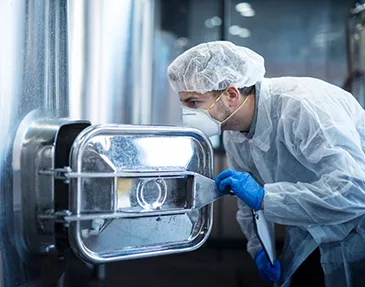
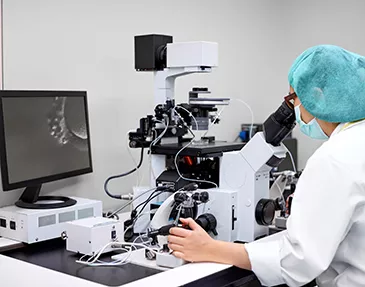
- Lab standards that reduce what you can't control : A significant portion of IVF success depends on what happens inside the embryology lab - temperature and humidity stability, embryo monitoring, culture conditions, and air quality. Our labs use closed-chamber systems, AI-assisted embryo selection, and continuous monitoring to protect embryo quality at every stage from retrieval to transfer.
- A plan that's designed for you, not adapted from someone else's : Every patient gets a treat ment protocol built around their specific diagnosis, medical history, and clinical profile - explained clearly before anything starts, with no pressure to commit before you understand what you're agreeing to.
IVF Treatment Process at Our Chennai Fertility Centre
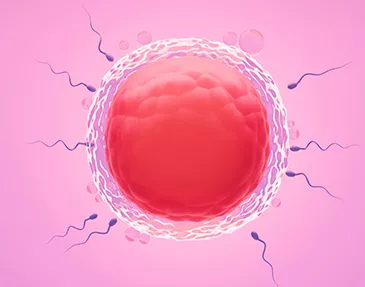
IVF - also called test tube baby treatment - is the most established and widely used form of assisted reproduction. Eggs are retrieved from the ovaries, fertilised with sperm in our embryology lab, and the resulting embryo is transferred to the uterus. When successful, the outcome is a pregnancy that develops just as any natural pregnancy does.
The IVF process follows this sequence:
- Ovarian stimulation - hormone injections over 10–14 days encourage the ovaries to develop multiple mature eggs, rather than the single egg of a natural cycle. Follicle development is monitored with ultrasound and blood tests.
- Egg retrieval - mature eggs are collected under ultrasound guidance through a brief, minimally invasive procedure under light sedation.
- Sperm preparation - a semen sample is collected and prepared in the lab to isolate the highest-quality sperm for fertilisation.
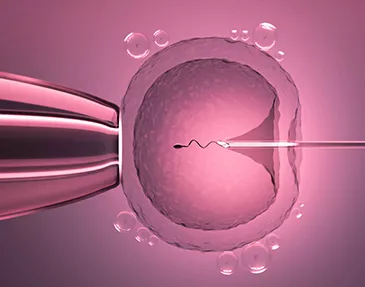
- Fertilisation - eggs and sperm are combined in the embryology lab using conventional IVF or ICSI, depending on the diagnosis.
- Embryo culture - fertilised eggs develop in the lab for 3 to 5 days under closely monitored conditions.
- Embryo transfer - the best-quality embryo is transferred to the uterus through a thin catheter - a brief procedure requiring no anaesthesia.
- Pregnancy confirmation - a blood test 12–14 days after transfer checks hCG hormone levels to confirm whether implantation has occurred.
IVF is recommended for couples with blocked fallopian tubes, low sperm count, unexplained infertility, endometriosis, PCOS with complications, or failed IUI cycles. For specific cases, advanced techniques like ICSI, blastocyst culture, or PGT-A are added to the protocol.
Indira IVF’s Key Achievements and Network

2.00 lakh+ IVF Pregnancies
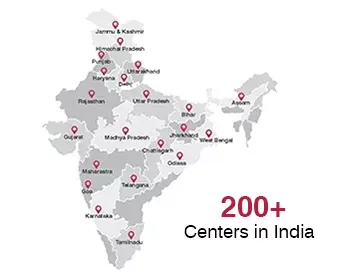
200+ Centers in India
340+ IVF Doctors
Comprehensive Fertility Treatments Available in Chennai
We offer the full range of assisted reproductive treatments at both Chennai centres, so wherever your diagnosis leads, the next step is available within the same team.
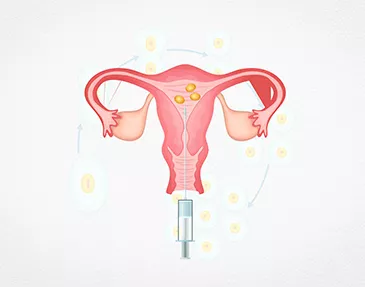
Beyond IVF and ICSI, our treatment options include IUI for milder fertility challenges, laparoscopy and hysteroscopy for surgical diagnosis and correction, fertility preservation through egg, sperm, and embryo freezing, and advanced techniques such as PGT-A genetic screening, laser-assisted hatching, and Paternal Lymphocyte Immunisation Therapy (PLI) for recurrent implantation failure.
Male Infertility Treatment in Chennai
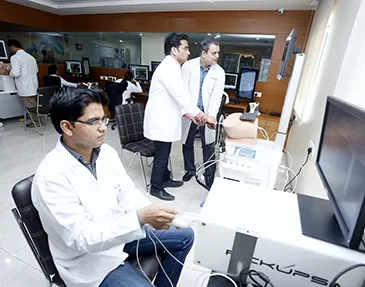
Male factors are involved in close to 40% of the infertility cases we see - and they're frequently the last thing evaluated, because there's often no obvious outward sign. We test both partners from the first visit as standard practice, not as an afterthought once female-side results come back.
For men, our evaluation and treatment options include:
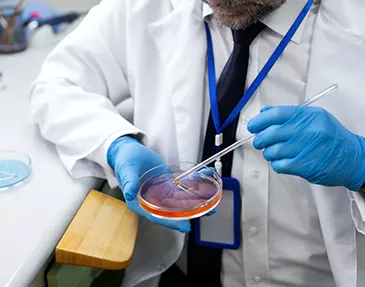
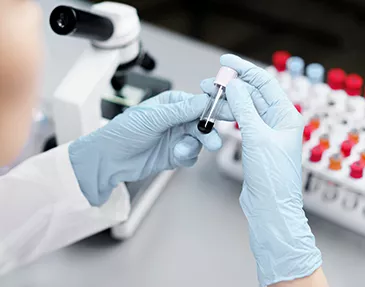
- Semen Analysis - a full assessment of sperm count, motility, morphology, and volume. The starting point for any male fertility evaluation is far more informative than a general health check.
- DNA Fragmentation Index (DFI) Testing - measures the percentage of sperm with damaged DNA. High DFI can affect fertilisation and embryo development even when standard semen analysis looks normal, making it an important test for couples with unexplained infertility or recurrent failure.
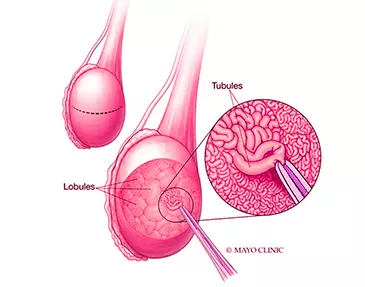
- Micro-TESE (Microsurgical Testicular Sperm Extraction) - for men with azoospermia (no sperm in semen), Micro-TESE is a surgical procedure that retrieves sperm directly from testicular tissue using an operating microscope. Sperm retrieved this way can be used with ICSI to achieve fertilisation.
Identifying a male factor early often changes the treatment plan significantly - and in many cases, makes it simpler.
IVF Success Rates at Indira IVF Chennai
Understanding success rates before you start is important - and it's worth understanding what the figures actually mean, not just what number is quoted.
Our Chennai centres deliver a 74%* IVF success rate - calculated from actual positive pregnancy blood tests across our Chennai clinics, not selected from best-case cycles or specific age groups.
Success rates vary meaningfully with age, because egg quality and quantity decline over time. Here's how outcomes break down at Indira IVF Chennai:
| Age Group | Success Rate Per Cycle |
|---|---|
| Under 35 years | Approximately 52–60% |
| 35–40 years | Approximately 40% |
| Over 40 years | Approximately 15–20% (up to 60–70% with donor eggs) |
Other factors that influence outcome include the underlying cause of infertility, embryo quality, uterine health, lifestyle factors, and whether advanced techniques like PGT-A are used. At your first consultation, your doctor will give you a realistic, personalised picture based on your specific diagnosis - not just an age bracket.
Success Stories from Clinics

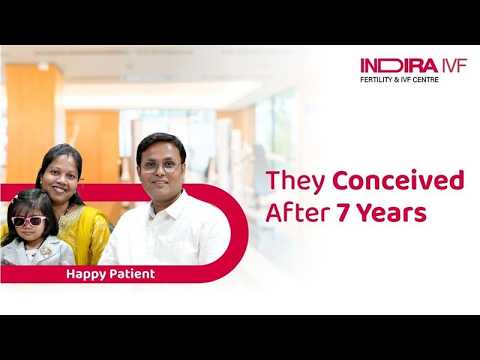
We are extremely grateful to the Dr. Nandini Devi and the whole team for their guidance. Thank you for helping us stay positive and hopeful throughout the proce ss. We highly recommend this ivf centre.
Read More
Thankyu indira ivf got positive very much Happy

We are truly grateful to have met Dr. Nandhini at Indira IVF. She has been very supportive, caring, and professional throughout our journey. We feel blessed to have such a wonderful doctor guiding us through this important next step in our life. A special thanks to the junior doctors and the entire team as well. They are very kind, approachable, and always take the time to explain and guide us clearly at every step. Thank you so much, Dr. Nandhini and the entire team, for your care, support, and guidance. We are very hopeful and looking forward to the next beautiful chapter of our life. ❤️🙏
Read More
Unique attention and exclusive care preferrence are carried to patients at the Indira IVF Hospital at Selaiyur, Tambaram. And the overall credit specially goe s to the IVF specialist Dr. Swetha Jain, Ma'm and her team members.
Read More
Super, we are happy my wife got conceived recommend to all patients who is in need.Thank you indira ivf tambaram.

Best IVF Centre in Tambaram, Consultation with Dr Swetha Jain was excellent, Thanks to Indira IVF team Tambaram
Real People Stories
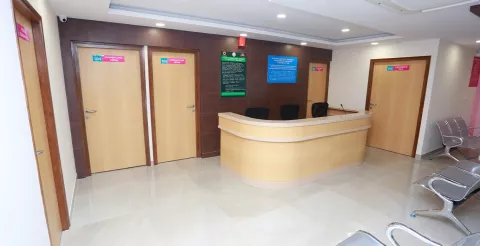
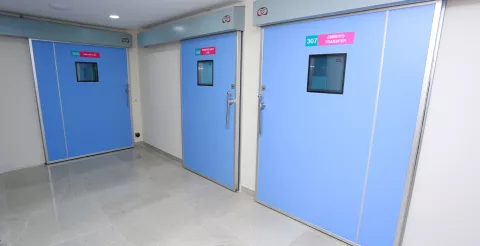
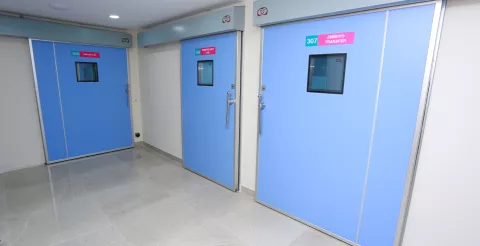
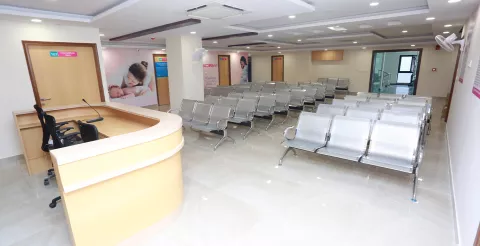
Fertility Tips & Advice from our IVF Experts in Chennai


Awards & Recognitions for Indira IVF
-
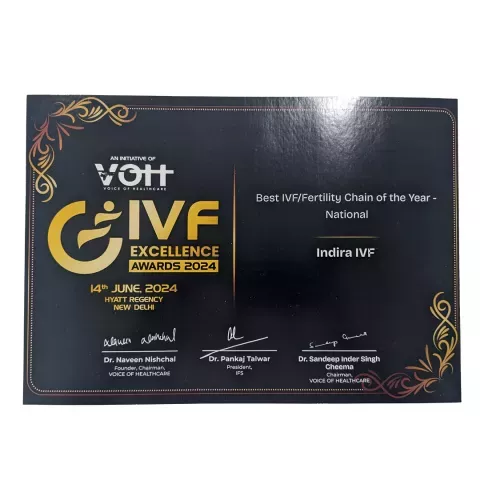
Best IVF/Fertility Chain of the Year – National
IVF Excellence Awards by Voice of Healthcare, 2024
-

Outstanding Patient-Centric Care in Fertility (Silver)
5th India IVF Summit & Awards, 2024 by IHW Council
-

Outstanding IVF Chain (Gold)
5th India IVF Summit & Awards, 2024 by IHW Council
-

IVF/Fertility Chain of the Year
ET National Fertility Awards, 2024
-
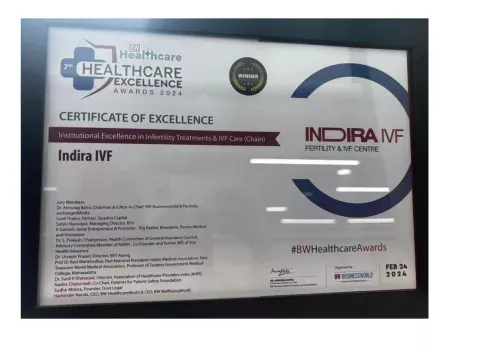
Institutional Excellence in Infertility Treatments & IVF Care (Chain)
BW Healthcare Excellence Awards, 2024
IVF Treatment Cost in Chennai
The cost of fertility treatment is one of the first practical questions couples have - and it rarely gets a direct answer anywhere. Ours is simple: cost depends on your diagnosis, the protocol your case requires, and how many cycles it takes. Before any treatment begins, you receive a clear, itemised cost estimate. No hidden charges added at billing.
Zero Cost EMI plans are available so that the financial side of treatment doesn't have to be a reason to delay getting started.
| Treatment | Cost at Indira IVF |
|---|---|
| Basic IVF | Starts from ₹1,00,000* per cycle |
| Advanced IVF/ICSI | Starts from ₹1,80,000** per cycle |
| IUI (Normal) | Starts from ₹7,500# |
| IUI (High) | Starts from ₹10,000# |
*Basic IVF process includes - IVF stimulation Injections only, ultrasounds, consultations, doctors fee, hospital charges, OT and lab charges Excludes : Checkup, blood tests, pharmacy medicine and disposable purchase, injections other than IVF, advanced services, freezing, thawing and donor charges etc.
**Advance IVF/ ICSI includes - Laser, blastocyst, 2 embryo freezing, 1 embryo transfer, IVF stimulation Injections only, ultrasounds, consultations, doctors fee, hospital charges, OT and lab charges Excludes : Checkup, blood tests, pharmacy medicine and disposable purchase, injections other than IVF, other advanced services, additional freezing / thawing and donor charges etc
#Cost of treatment depends on your test reports, type of treatment required, hormonal conditions etc. and may vary from couple to couple.
Advanced Genetic Testing (PGT) for Better IVF Outcomes
Preimplantation Genetic Testing (PGT) screens embryos for genetic or chromosomal problems before transfer - so that only embryos with the highest probability of successful implantation are selected. For patients with a history of recurrent pregnancy loss, failed IVF cycles, or known genetic risks, PGT can significantly improve the chances of a healthy pregnancy.
There are three types, and the one recommended depends on what you're screening for:
- PGT-A (Aneuploidy Screening): The most widely used form. Checks embryos for the correct number of chromosomes, identifying those with abnormalities (aneuploidies) that would prevent implantation or cause miscarriage. Recommended for recurrent IVF failure, recurrent pregnancy loss, and patients over 35.
- PGT-M (Monogenic Disorder Screening): Used when one or both parents carry a known single-gene condition - such as sickle cell anaemia, thalassaemia, cystic fibrosis, or spinal muscular atrophy. Requires pre-cycle genetic consultation and customised probe development.
- PGT-SR (Structural Rearrangement Screening): Used when a parent carries a chromosomal structural change (such as a balanced translocation) that doesn't affect them but can lead to recurrent miscarriage or chromosomal abnormalities in the child.
Your doctor will advise whether PGT is clinically indicated for your case, and which type is relevant, based on your history and test results.
How to Book an Appointment with Indira IVF Hospital in Chennai

How to Book an Appointment with Indira IVF Hospital in Chennai
- Call: 9772310616 (Toll-free)
- Online form: Fill out the form on this page
- WhatsApp: Chat with us
A first consultation is not a commitment to treatment. It's an opportunity to understand your situation and your options - and to ask questions before deciding what to do next.
Frequently Asked Questions
How can I prepare my body for IVF treatment?
How important is sleep during IVF?
What should I avoid after embryo transfer?
Do the IVF injections hurt?
Does Indira IVF conduct a full infertility workup before recommending treatment?
What treatments are available at Indira IVF Chennai?
Are advanced treatments like ICSI and PGT available in Chennai?
Do you treat male infertility as well as female infertility?
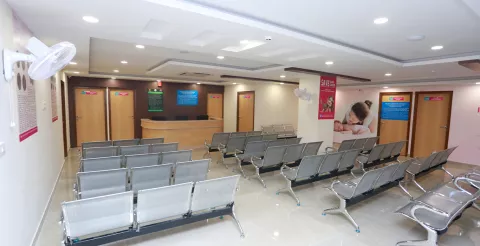
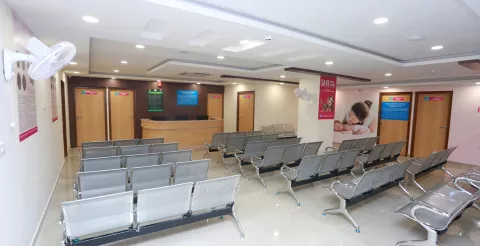
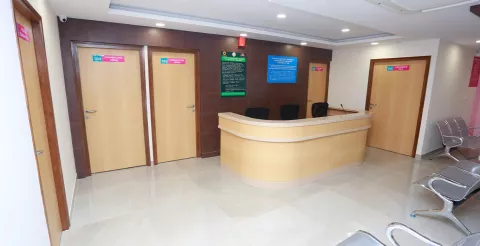
What facilities are available at Indira IVF's Chennai clinics?
Can couples with complex fertility cases get treatment at Indira IVF Chennai?
Where can I find Indira IVF near me in Chennai?
Latest Blogs